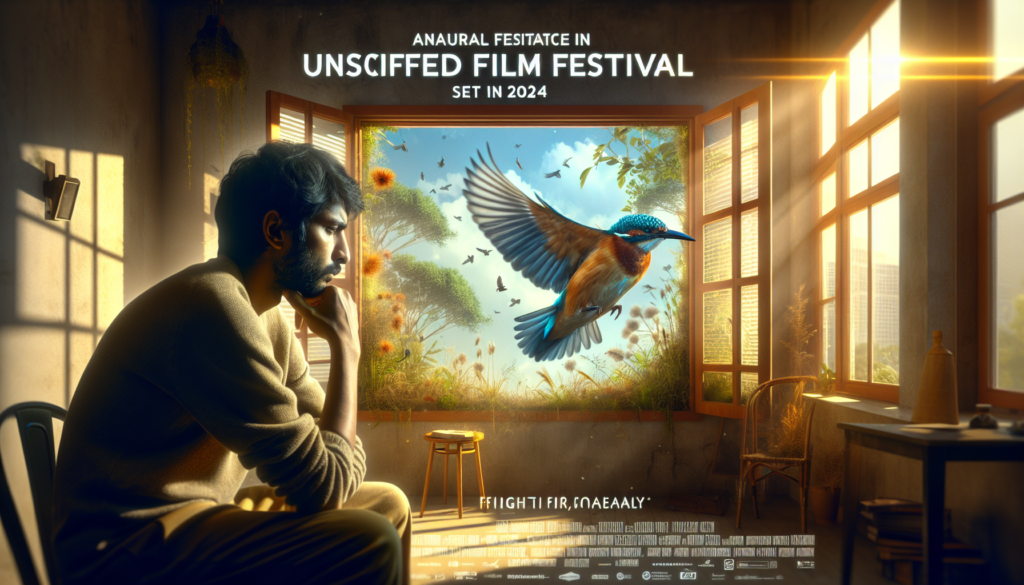
THE Arras Film Festival 2024 opened in a vibrant atmosphere, plunging the audience into the heart of human struggles and emotions. Among the works presented, a captivating film particularly attracted attention: “Man is not a bird”. This production illustrates the tragic and poignant journey of a couple trapped in their apartment in a time of crisis, a powerful metaphor to explore the desire for freedom in the face of repression. This first day of the festival promised rich debates and reflections on the state of the world and the resistance of the human spirit through the prism of cinema.
The Arras Film Festival opened in style this year, celebrating 25 years of cinematic passion. The first day was marked by captivating screenings and enriching meetings, including the broadcast of a poignant film, entitled “Honeymoon”. This film, centered on a Ukrainian couple, illustrates the fight for survival, while the dangers of an imminent war loom. Through this inauguration session, the festival was able to maintain a strong dynamic of exchanges between the public and the filmmakers, affirming its commitment tohuman and theemotion.
A festival rooted in people
The Arras Film Festival aims to bring together film fans around works that question the human condition. This year, the festival focuses on Company, its challenges, and on the issues that affect our daily existence. The selection of films, varied and rich in stories, shows how the artists tackle universal and personal themes, allowing the viewer to identify with the characters.
The screenings on this first day delighted a large audience, curious to discover these stories. Among the films presented, “Man is not a Bird” highlights intertwined stories of passion and disillusionment. The large white tent, which represents the heart of the festival, reinforced this meteoric atmosphere of sharing. In this space, exchanges and discussions multiplied, creating a strong connection between everyone.
A notable screening: Honeymoon
“Honeymoon” captivated audiences from its first images. This film, directed by Zhanna Ozirna, takes place in a Ukrainian apartment, enclosing its protagonist couple in a universe that has become hostile. The palpable tension and reality of the conflict are presented with rare intensity. The plot follows Taras and Olya, who must face the collapse of their happiness, as the invasion of their country begins.
The skilful staging, using fixed shots close to the characters, plunges us into the heart of their troubled daily lives. The director succeeds in creating a feeling of stasis and tension at the same time. The dialogues, often minimalist, allow deep and paradoxical feelings to be expressed, magnificently illustrating the anguish and inner struggle of the characters.
- Apprehension of the off-camera.
- Transformation of bodies and minds.
- Isolation and fear, central themes addressed.
Echoes of the Yugoslav retrospective
The Yugoslav retrospective left its mark on this first day of the festival. “Man is not a bird” by Dusan Makavejev, presented at the opening, offered an incisive look at the social and political realities of the former Yugoslavia. This emblematic film of the Black Wave was able to transcend the framework of its time to still resonate today with questions of identity and freedom.
This 1965 work, declared a “love film”, reveals a striking irony through its story. Far from a simple romantic comedy, it addresses the complexities of human relationships within a repressive system. Makavejev captures with remarkable precision the fragility of bonds, whether through love or submission.
A first day full of emotions
The first day of the festival was a success. The program brought together a wide range of spectators, ranging from cinema enthusiasts to neophytes. The discussions after the screenings demonstrated the commitment of the public and the directors to discuss the issues addressed on screen.
Prestigious guests participated in these discussions, enriching the dialogue around the films. The festival, as a cultural space, is defined by this unique mix of genres and styles, allowing the selected works to reach a wide audience. Thanks to this first day, the 2024 Arras Film Festival has affirmed its place as an essential player in French visual culture.
|
IN BRIEF
|
A look back at the first day of the 2024 Arras Film Festival: The man, a bird trapped in his apartment
The 2024 Arras Film Festival has opened its doors with a promise of fascinating cinematic discoveries. In the excitement of the first screenings, one film particularly captivated attention: “Man is not a bird” by Dusan Makavejev. This feature film, both provocative and poetic, immerses the viewer in the complex world of a disappeared Yugoslavia, revealing the inner struggles of its characters facing the challenges of love and society.
The film begins with a poignant portrait of a couple immersed in the privacy of their apartment; a space that has become both a refuge and a prison. As the Russian invasion of Ukraine looms, Taras and Olya must face an increasingly threatening reality. The use of static shots, which envelop the viewer in the world of the apartment, evokes a palpable tension, reflecting the couple’s anxieties. The spectator therefore becomes the voyeuristic witness of a discreet but desperate resistance to the banality of the threats lurking outside.
Themes of vulnerability and survival intertwine throughout the screening, raising essential questions about human nature in times of crisis. The director succeeds in capturing the fragility of interpersonal relationships under the effect of increasing external pressure. Beyond the shock of events, it is the depth of emotions and human interactions that emerge as the true common thread of the story.
This first day in Arras thus highlighted not only the power of cinema as a medium of social reflection, but also as an art capable of transcending borders and creating bridges between human experiences. This first screening portends a festival rich in emotions, with a selection that promises to ignite the passion of film buffs and fuel reflection on contemporary issues.