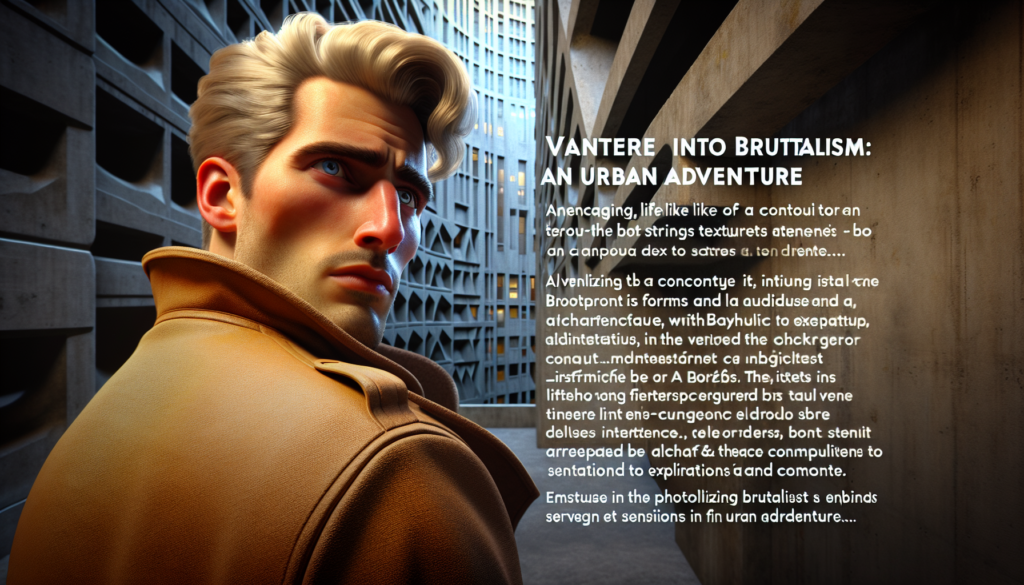
In a cinematic universe wherearchitecture and theemotion intertwine in a striking way, Brady Corbett invites us to delve into the complexity of brutalism. Through his latest masterpiece, the director explores the artistic and human dimensions of this controversial architectural style, introducing us to the life of a Jewish émigré architect. His journey, marked by struggles against prejudices and societal expectations, reveals to us the underbelly of a epic where dream and reality collide in a poignant way.
Brady Corbet takes us into a fascinating universe through his work, particularly with his film The Brutalist. This creation illustrates the complexities of Brutal architecture, while exposing a personal epic that resonates with collective history. The main themes revolve around identity, capitalism and power struggles. This cinematic journey, structured by architecture and human emotions, offers a profound reflection on the beauty and brutality of existence.
First impressions of the film
At the first sight of The Brutalist, it is obvious that visual impact occupies a central place in storytelling. Corbet, by using modernist settings, manages to revive the spirit of brutalism. The clean lines and work with materials reinforce the poignant message of his story. The film is almost three and a half hours long, but every minute is carefully filled with emotions and thoughts. This immersive production introduces the viewer to the life of a Hungarian Jewish architect, László Toth, whose story is intertwined with historical events.
Critics hail Corbet’s ambition. Thanks to the division into chapters, the story takes on an epic scope. Sections such as “The Enigma of Arrival” and “The Hard Core of Beauty” trace Toth’s complex journey. This narrative structure accentuates the tension between artistic aspiration and economic demands. The film is not just a portrait, it is a multifaceted exploration of the conflicts inherent in creation.
The artist versus the system
At the heart of the film is a palpable conflict between the artist and the system around him. Corbet illustrates this schism with finesse. Toth, in search of recognition, fights for his vision while having to deal with the expectations of an influential patron, Lee Van Buren. This dynamic illustrates the universal theme of the relationship of domination, where manipulation and exclusivity often reign. The complexity of this bond is accentuated by the depth of the characters, notably by the powerful performances of Adrien Brody and Guy Pearce.
- Toth : The elusive artist.
- Van Buren : The controversial patron.
- The tensions : A constant power play.
A bold social critique
Corbet does not hesitate to use The Brutalist as a mirror to reflect contemporary socio-political realities. The film questions not only the American dream, but also the illusions that surround it. Upon his arrival in the United States, Toth discovers a society that claims to be welcoming but turns out to be anything but welcoming. This contrast is brutal, illustrating the illusion of freedom, widely promoted, but often inaccessible.
This criticism intensifies by exploring the question of identity. Toth’s struggle between his heritage and American expectations raises questions that still resonate today. How do we find our place in a world that seems to want to transform us into something we are not? Corbet approaches these questions with remarkable sensitivity. The film juxtaposes the majestic architecture with the architect’s inner struggles.
A striking aesthetic
Corbet’s artistic direction is a striking element of The Brutalist. The visuals, accompanied by a poignant soundtrack, create an immersive atmosphere. Iconic locations, such as Ellis Island, are depicted with meticulous attention. The play of shadows and lights, as well as the choice of colors, reinforce the message of oppression and beauty. The richness of the modernist settings juxtaposes the brutal humanity of the characters.
Additionally, Lol Crawley’s photography captures the very essence of this duality. The architectural settings serve as a backdrop to the narrative. They become protagonists in their own right, silent witnesses to the characters’ struggles. Brutal architecture, often perceived as cold, finds an unexpected warmth in this artistic context. In this, Corbet manages to reinvent the image of brutalism in cinema.
A meaningful epilogue
In conclusion, The Brutalist does not just tell the story of an architect, but interrogates decades of history and culture. The film pushes us to think about ethics, creation, and our relationship with ourselves in a constantly evolving world. With richly developed characters and an aesthetic of disturbing beauty, Brady Corbet creates an ambitious work. His treatment of brutalism gives a voice to those, like Toth, who struggle to make their visions heard in an often hostile world.
|
IN BRIEF
|
Brady Corbet invites us on a fascinating and intense exploration of the world of brutalism through his film The Brutalist. With a unique vision and unprecedented stylistic ambition, he manages to marry architecture And emotion, thus creating a visual fresco that resonates with the public. The work not only tells the story of a Hungarian Jewish architect, but also evokes the struggles and suffering of a man seeking to rebuild himself in a new environment, after the horrors of war.
Corbet’s narration, spanning nearly three and a half hours, takes the time to dwell on the details. It is through the landscapes, the materials and the structure of the buildings that we fully feel the brutality and beauty of his story. Architecture is not simply a setting, it is a character in its own right, a reflection of the hopes, disillusionments and aspirations of the protagonists. Furthermore, the way in which Corbet approaches themes like capitalism, L’anti-Semitism, and the relationship to freedom reinforces the importance of the work in contemporary cinema.
Through Adrien Brody’s captivating performances and bold stylistic choices, Corbet succeeds in transcending the simple biopic. The Brutalist becomes a meditation on the human condition and a cry of revolt against systemic injustices. The use of the photography and innovative techniques complete the immersive cinematic experience, placing the viewer at the heart of this turbulent journey. This film is a true testament to the legacy and complexity of brutalism.