
In the vast panorama of horror cinema, Dario Argento stands out as an undisputed master, captivating audiences with his labyrinthine narratives and absolutely striking visuals. “Tenebre,” one of his iconic works, immerses the audience in a dark and disturbing exploration of human impulses and the complex relationships between the sexes. With bold staging and a polished visual aesthetic, Argento reveals a world where psychological terrors intertwine with fascinating violence, thus redefining the boundaries between art and horror. This immersion into the film’s shadowy universe promises to uncover the layers of interpretation that make this work a true masterpiece of modern giallo.
In the world of horror cinema, few names evoke as much mystery and fascination as that of Dario Argento. With his work, primarily “Tenebre,” he takes us on a journey that is both disturbing and captivating. This film stands out for its unique approach to the genre, exploring the darkest depths of the human mind while playing on motifs of misogyny and trauma. In this article, we will dive into the themes, visuals, and cultural impact of this masterpiece. Whether it be the psychological study of the characters or the singularity of its aesthetic, “Tenebre” remains an essential pillar of giallo cinema.
A chilling introduction
From its very first moments, “Tenebre” asserts itself with a striking opening scene. This passage consists of aggressive music accompanied by a narration heavy with meaning. This artistic choice immediately immerses the viewer in the dark universe of the film. In this context, a writer, Peter Neal, embodies the archetype of the tormented author, drawn into his own narrative. The moral dilemmas then intertwine with bloody murders that will punctuate the entire plot, providing palpable tension.
At the heart of this narrative lies the psyche of Archibald Cruz, a young boy plunged into a distressing discovery that defines his fate. The music box, a demonic symbol of his youth, resonates throughout the film, attesting to his unacknowledged impulses. This duality between innocence and violence haunts us and questions our relationship with death and sexuality.
A reflection of evil in giallo cinema
In “Tenebre,” Dario Argento adopts the codes of giallo, skillfully merging horror and aesthetics. The film tests the limits of art and the representation of violence, playing on implicit misogyny. The female characters, often caricatured, become a reflection of a changing world where male dominance is questioned. Argento succeeds in establishing tension between admiration and rejection towards these female figures, thus illustrating the frictions of his time.
The murders unfold in a macabre dance, orchestrated by careful cinematography. The bloody scenes are not merely shocking; they become a form of art. Furthermore, the director offers a reflection on the artist and his creation. As Peter Neal is confronted with crimes inspired by his writings, Argento takes the opportunity to pose a question: to what extent is the artist responsible for his work?
An inimitable style and bold choices
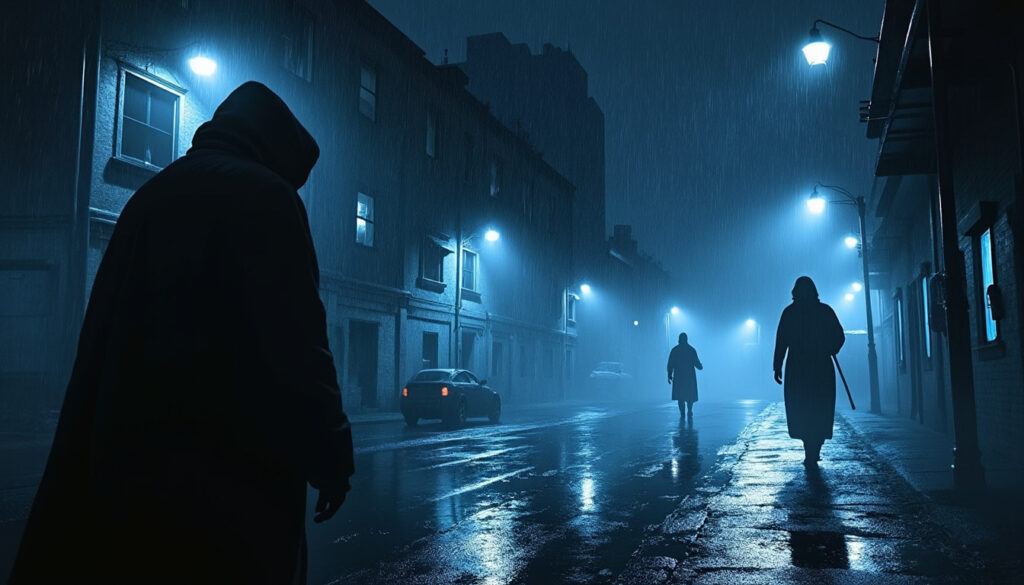
Argento’s direction is distinguished by bold visual choices. The photography, often described as clinical, envelops the viewer in a disturbing atmosphere. Light and shadow clash, accentuating the feeling of paranoia that reigns over “Tenebre.” This aesthetic, far from being trivial, plays a key role in the emotional impact of the scenes. This is exemplified by the iconic sequence with the axe, salvific for some, funereal for others. Each frame is meticulously crafted to plunge the audience into anxiety.
- Clinical photography: Visual exploration of themes of fear and anxiety.
- Manipulation of the viewer: Balance between admiration and horror.
- Revealed impulses: Each murder exposes a dark aspect of the human condition.
A cultural legacy and contemporary resonances
When revisiting “Tenebre,” it is impossible not to mention its cultural legacy. This masterpiece has influenced a multitude of filmmakers and continues to fuel debates about the representation of violence in cinema. More recent works, such as those referenced in contemporary reviews, attest to Argento’s impact on the modern cinematic landscape. Films like “Torso” or “The Friends of Eddie Coyle” show echoes of his aesthetic.
His approach to the thriller continues to influence some contemporary directors. They do not hesitate to appropriate and reinvent motifs dear to Argento, between shadows and lights, between laughter and screams, demonstrating a fascination with the macabre that remains current. “Tenebre” echoes a time when feelings are heightened and where each image, each symbol, aims to provoke a visceral reaction.
Conclusion: an essential work
It is undeniable that “Tenebre” and its creator, Dario Argento, hold a prominent place in the world of horror cinema. The elements of psychology and philosophy that emerge continue to inspire and disturb. This film, complex and multifaceted, remains a must-see in the exploration of human darkness and the very nature of art. Through this immersion, Argento reminds us that light cannot exist without shadow, and that each variation of one only reinforces the impact of the other.
Dario Argento, an undisputed master of horror cinema, invites us to an immersive and disturbing experience with his film “Tenebre.” Located at the crossroads between psychological manipulation and aesthetic violence, this film transcends the classic limitations of the genre to immerse the viewer in a universe that is at once captivating and unsettling. Through a twisted narrative and unforgettable visual style, Argento manages to capture human darkness with disconcerting intensity.
At the heart of this narrative, the character of Archibald Cruz, whose existence is marked by childhood traumas, is a reflection of the dehumanizations one might encounter in modern environments. The brutality of the murders he commits, along with the bold staging of misogyny, reveals a sharp critique of gender relations and an exploration of the disembodied human soul. In a world where women are both objects of desire and victims, Argento unveils the complexity and ambivalence of human relationships through a dark and pessimistic lens.
The striking soundtrack by Goblin, noted for its rhythmic cadence between violence and melancholy, enhances the cinematic experience, creating a singular atmosphere of anxiety and fascination. “Tenebre” also reflects Argento’s stylistic evolution, characterized by clinical photography, acting as a mirror to a decaying world, a reality where the superficiality of relationships fails to reach the depth of emotions.
Overall, Dario Argento, through “Tenebre,” offers us a cinematic adventure rich in nuances, where art and violence intertwine to remind us of the fragility of our humanity. This film, often underappreciated, continues to assert itself as a masterpiece, defying time and the conventions of the genre.


