In the captivating world of cinema, few genres manage to capture the collective imagination like heroic fantasy. Among the often-overlooked works, Legend and Ladyhawke stand out for their unique aesthetics and enchanting narratives. These two films, although often overshadowed by more iconic productions, deserve a rediscovery for their ability to merge mythology, romance, and epic adventures. By exploring these hidden treasures, we dive into a world where the fantastic and the real intertwine, offering a singular vision of the genre and universal themes of good versus evil, lost love, and heroic quests.
In the world of cinema, heroic fantasy is a genre that has often been overshadowed by other, more popular productions. Yet, Legend and Ladyhawke stand out as emblematic works, often underestimated. These films, marked by tales of love, magic, and adventure, deserve to be rediscovered. With their unique aesthetics and timeless themes, they continue to captivate fantasy enthusiasts. This article explores the elements that make these films so precious, while highlighting the notable differences between these two fascinating works.
A Unique Aesthetic in Legend
Legend, released in 1985, is a film directed by Ridley Scott. It immerses the viewer in a dreamlike universe where visual beauty takes center stage. The artistic design of the film, crafted by the talented Alex Thomson, creates a fantastic and mystical atmosphere. The choice of colors, the delicacy of the costumes, and the work of special effects offer a true sensory experience. The enchanting landscapes, along with the play of light, contribute to this undeniable magic.
The characters in the film, particularly Jack and Lili, embody classic archetypes of heroism and fragility. Jack, played by Tom Cruise, is a fearless hero. His quest to save Lili, portrayed by Mia Sara, leads him to confront the dark Darkness, played by Tim Curry. This confrontation symbolizes the eternal battle between good and evil in an epic setting. Themes of love and sacrifice are present throughout the narrative, enriching the plot in a poignant manner.
The Marked Differences with Ladyhawke
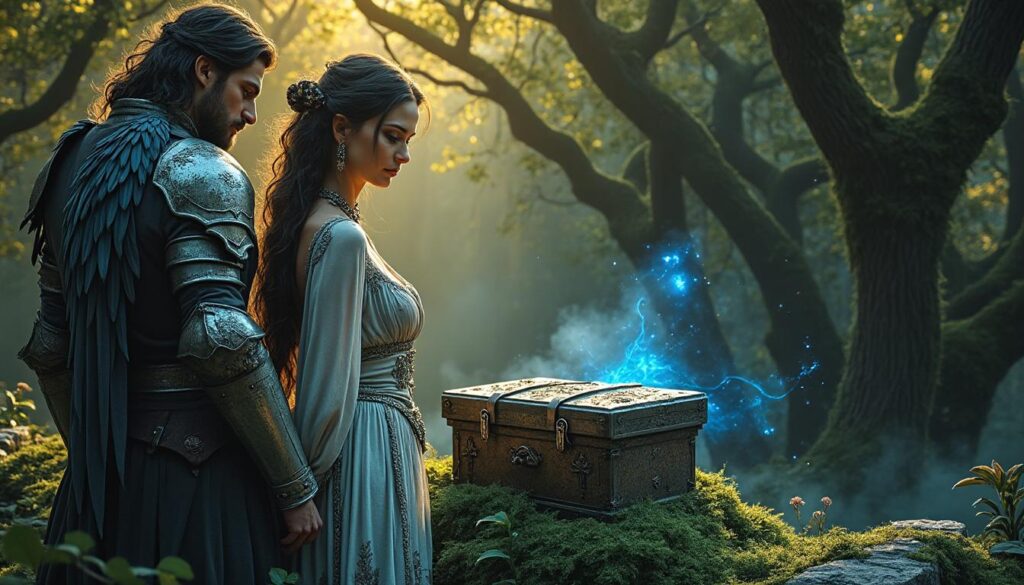
In contrast, Ladyhawke, directed by Richard Donner in 1985, ventures in a different direction. This film offers a more down-to-earth approach while maintaining fantastical elements. The story follows a young thief, Philippe, who teams up with a knight to save the beautiful Isabeau from a curse. Unlike Legend, where magic is omnipresent, Ladyhawke focuses on the interactions between its characters and the time dynamic. The curse binding Etienne and Isabeau gives the tale a tragic and romantic dimension.
The charm of Ladyhawke lies primarily in its humor-filled dialogues and its endearing protagonists. The performances of Rutger Hauer and Michelle Pfeiffer bring to life a cursed duo—tragic yet so touching. Through their quest, the film addresses themes such as loyalty, lost love, and the struggle against fate. These elements add emotional depth that results in a poignant conclusion. This creates an intimate connection with the audience, often overlooked in other productions of the same genre.
Invaluable Influences and Legacies
At the crossroads of heroic fantasy, these films bear a significant mark on popular culture. Legend has had its aesthetic plagiarized and its mythology amplified in various contemporary works, such as video games. A rumor even suggests that the character of Jack inspired Shigeru Miyamoto in the creation of Link in The Legend of Zelda. This detail, albeit controversial, testifies to the lasting impact of Legend in the collective imagination.
Similarly, Ladyhawke has left traces in the world of manga and Japanese animated cinema. The design of Etienne’s helmet, for example, strongly recalls certain elements found in Berserk. Richard Donner’s work has influenced generations of creators, going beyond mere aesthetic emulation.
- The themes of quest and abandoned love.
- Charismatic antagonists that leave a mark on the minds.
- A memorable soundtrack that accompanies the dramatic emphasis.
A Necessary Rediscovery
Although often overshadowed by other franchises, Legend and Ladyhawke deserve particular attention. Their ability to create immersive worlds while exploring universal themes gives them invaluable worth. Their narratives, rich in emotions and fascinating visuals, still resonate with viewers today.
By rediscovering these overlooked treasures of heroic fantasy, it is possible to reignite interest in these works. They remind us that the genre can combine escape and reflection, inviting each person to rethink their own contemporary myths. These films are not only relics of the past but timeless works that continue to inspire and move.
Rediscovering the Hidden Treasures of Heroic Fantasy
At the heart of the 1980s, Legend and Ladyhawke stormed the screens, positioning themselves as gems of heroic fantasy that, despite their initial mixed success, managed to capture the collective imagination. These two films, although often overshadowed by other blockbusters of the era, possess a depth and narrative boldness that deserve to be rediscovered.
With a unique aesthetic, Legend by Ridley Scott creates a dreamlike universe, immersed in enchanting sets and palpable mystique. The representation of good and evil, symbolized by the characters of a heroic Jack and a diabolical Darkness, reveals an eternal struggle, accentuated by special effects that, even today, evoke admiration. Meanwhile, Ladyhawke by Richard Donner offers a narrative more grounded in themes such as love and betrayal, while drawing inspiration from medieval myths. Through its endearing characters, the quest of Philippe and Etienne to find Isabeau becomes an intimate adventure that transcends the simple codes of a genre often too confined by its clichés.
There is no doubt that both films have spread influences across pop cultures and continue to fuel modern imaginations, whether in video games or literature. Even if their initial reception did not reflect their potential, a second life is now offered to them, particularly through critical reevaluations and nostalgia for that era. The physical media reissues and their place in cinematic culture testify to their status as forgotten classics.
Rediscovering Legend and Ladyhawke thus invites a reflection on the legacy of heroic fantasy, promising evident joys for those who dare to dive into these epic and visually captivating tales.