
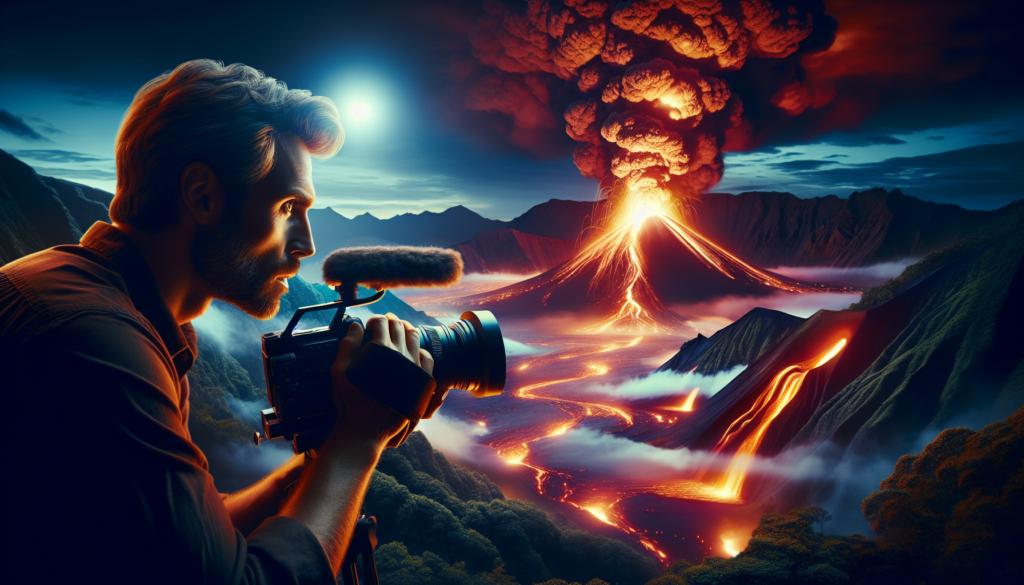
In the world of documentary, Werner Herzog’s unique vision shines with “Diving into Volcanoes”, a poignant tribute to Katia and Maurice Krafft, famous vulcanologists. Through the striking images captured by this daring couple, Herzog explores their frantic quest to understand and immortalize the mysteries of volcanoes, while shedding light on the ultimate price they paid for their passion. This film not only magnifies their scientific expertise, but also their humanity, revealing the creative fire that animated them.
In his new documentary, Werner Herzog pays vibrant tribute to Katia and Maurice Krafft, the famous couple of volcanologists, by exploring their invaluable contributions to volcanology and cinematography. Through archive images and poignant stories of their passionate adventure, he plunges us into a captivating scientific quest. This film evokes not only their passion for nature, but also the danger that surrounded their devotion to volcanic forces.
A journey to the heart of volcanoes
The documentary “Diving in volcanoes” reveals the spectacular landscapes that Katia and Maurice Krafft had the chance to capture. These volcanoes, bringers of destruction, are also reveals of the beauty of the Earth. Herzog uses these film archives to recreate the moments when the couple felt both vulnerable and alive. Each image tells stories of majestic eruptions, sky-darkening ash, and changing landscapes.
Their travels around the world, notably in Guadeloupe and at Japan, constitute a true odyssey. In their quest to understand these fire giants, they embraced a world that was both fascinating and frightening. The eruptions they observe are both natural phenomena and personal trials. Human passions mingle with the forces of nature, and this duality is at the heart of the story.
A look at the dangerousness of vulcanology
The Kraffts’ life was a precarious balance between adventure and risk. Each expedition carried high dangers, but their thirst for knowledge and love for vulcanology pushed them to go further and further. Herzog emphasizes that their quest led them to face extreme situations.
Their tragic journey illustrates the fragility of human existence in the face of unleashed natural forces. June 3, 1991, their passion took them to Mount Unzen, where they were victims of a fiery cloud. This event leaves a profound impact, both on the public and on the scientific community. The question of security in these hostile environments remains more relevant than ever.
A cinematic legacy
Werner Herzog, with his unique vision, succeeds in immortalizing the grace and singularity of the couple, while contemplating the terror generated by the volcanoes. Their work is not limited to science. Indeed, they added an artistic dimension to scientific observation, capturing not only data, but also emotions. It’s a cinematic heritage which transcends simple reports of vulcanology.
The film shows how their *artistic approach* enriches our understanding of nature. Their recordings are much more than study tools, they are true works of art that offer a unique perspective on the world. Herzog, as a director, evokes this beauty with respect, creating a poetic link between science and art.
The Kraffts’ Inner Fire
Katia and Maurice had a powerful inner fire that pushed them to go further and further. For them, filming volcanoes was a way of living intensely. This compelling desire set them apart from other scientists. Their passion was contagious, which made them famous. They didn’t just document eruptions, they told a human story, that of a shared love for the Earth.
- An inextinguishable passion : Their dedication to modern technology allowed them to approach nature from an innovative angle.
- An artistic aim : Their films have become legends that remain relevant today.
- A call to reflection : Herzog invites the viewer to reconsider their place in the cycle of nature.
|
IN BRIEF
|
Diving into volcanoes: A tribute to Katia and Maurice Krafft
directed by the illustrious Werner Herzog immerses us in the heart of a fascinating story mixing passion, danger and dedication. Through the images captured by the volcanologist couple, a human story emerges, revealing their fascination with the forces of nature. Herzog succeeds in paying tribute to their frenetic quest for truth, highlighting their unwavering commitment in the face of volcanic phenomena of immeasurable power. This film does not simply retrace the Kraffts’ travels to regions with high volcanic potential. It also evokes the beauty and terror that reside in these landscapes. Through breathtaking sequences, Herzog manages to capture the very essence of volcanology: a mixture of wonder and anguish at the majesty of the Earth, highlighting the crucial role that these researchers have played in the advancement of our understanding of volcanic eruptions. Werner Herzog, known for his unique approach to the world around him, invites us to reflect on sacrifice and the search for knowledge. The Krafft couple, despite the dangers, devoted their lives to unraveling the mysteries of volcanoes, exacerbating their love for science and cinema. This documentary is a vibrant tribute to these pioneers whose tragic destiny embodies the risks that accompany the quest for knowledge.
In short,
Diving in volcanoes
is a poignant reflection on the interaction between man and natural forces, a story that will forever mark people’s minds. Herzog, through his talent, brings an emotional and poetic dimension to this story, thus revealing the truths buried beneath the surface of the volcanoes, both fascinating and feared.


