
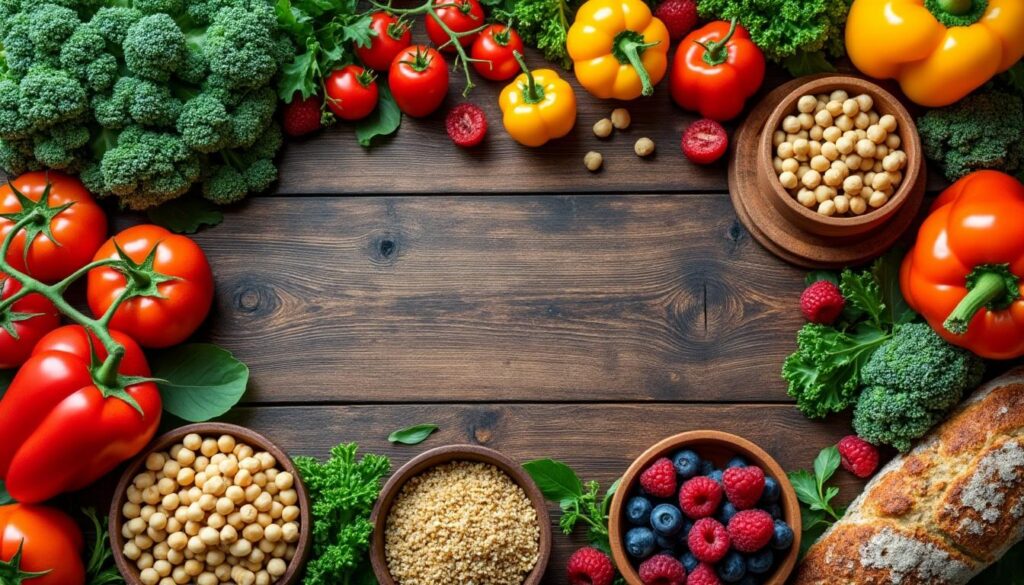
In an era where environmental awareness and the pursuit of a healthy lifestyle are becoming priorities, the flexitarian diet is gaining popularity. This food trend increasingly appeals to those seeking a balance between culinary pleasure and ecological responsibility. The flexitarian diet is based on dietary flexibility, allowing for a predominantly plant-based diet while permitting moderate and occasional consumption of meat or fish. It thus embodies a contemporary response to the demands of our time: staying healthy, preserving the environment, and respecting animal welfare, without renouncing all meat consumption. In 2026, this model positions itself as a realistic alternative that sidesteps the constraints often associated with strictly vegetarian or vegan diets. It also responds to a growing demand for a balanced diet that is both tasty and respectful of our natural resources.
The rise of flexitarianism illustrates a deep desire to redefine our relationship with food, beyond simple dietary rules. It is a conscious choice, a gradual commitment to a thoughtful reduction of meat, aiming to decrease individual carbon footprints while retaining the freedom to occasionally enjoy an animal product. This trend is also an invitation to reinvent our culinary habits by embracing the richness of plant-based proteins and exploring various plant alternatives. More than a diet, flexitarianism establishes itself as a genuine modern eating style that champions sustainability, health, and ethics on our plates, without dogmatism or radicalism.
Understanding the Flexitarian Diet: Flexibility and Nutrition at the Heart of Dietary Change
The flexitarian diet finds its uniqueness in its ability to reconcile nutritional rigor and dietary flexibility. Originating from the contraction of the terms “flexible” and “vegetarian,” this eating style prioritizes a predominantly plant-based diet, rich in fiber, vitamins, minerals, and antioxidants, while allowing for moderate consumption of meat and fish. This flexibility enables a gradual transition that takes into account individuals’ tastes, needs, and lifestyles. Unlike strict vegetarian or vegan diets, the flexitarian diet removes strict constraints, making the approach more accessible and sustainable over time.
From a nutritional standpoint, this approach remains balanced thanks to the intelligent integration of plant-based proteins from legumes, nuts, tofu, or whole grains. These alternative sources partially replace animal proteins, thus contributing to the diversification of the diet and better coverage of protein needs. For example, a typical flexitarian meal might pair a lentil curry with seasonal vegetables and a fillet of organic fish once or twice a week. This diversity ensures comprehensive nutrition while promoting the reduction of saturated fat intake associated with red meat.
Discovering the flexitarian diet also means embracing a new food philosophy that values awareness of the impacts of our choices on our bodies and the environment. The delicacy of this balance benefits cardiovascular health, weight management, and improves the quality of the intestinal microbiota through increased fiber consumption. These benefits are increasingly studied and scientifically validated in 2026, emphasizing that the flexitarian diet aligns with the best contemporary nutritional practices.
The Historical Roots and Rise of the Flexitarian Diet in the Modern Landscape
Behind the recent popularity of the flexitarian diet lies an interesting historical evolution that traces its roots back to the early 2000s. American dietitian Dawn Jackson Blatner significantly contributed to popularizing flexitarianism with her reference work published in 2009, in which she proposed a primarily vegetarian diet with occasional small incursions into meat consumption. Her accessible and non-dogmatic approach created a bridge between rigid vegetarian diets and omnivorous eating, thereby facilitating adoption by a broader audience.
This philosophy was further strengthened in the following years by influential figures like Tony Robbins, who advocates for greater awareness of the links between diet, health, and well-being. He has made the flexitarian diet an example of a food style respectful of the environment, the human body, and the animal kingdom. In 2026, this vision manifests in a global movement where individuals no longer want to choose between culinary pleasure and ethics. This dual demand fuels the constant growth of flexitarian followers, particularly in major metropolitan areas and among younger generations sensitive to ecological issues.
These historical roots explain why the flexitarian diet has emerged as an innovative and credible alternative. Its development coincides with the rising concerns about climate, public health, and animal protection, making this solution not only beneficial on an individual level but also on a collective and planetary scale. Thus, by adopting this approach, individuals partake in a global and progressive shift towards a less impactful diet.
The Role of the Flexitarian Diet for Ecology and Food Sustainability
At a time when climate change threatens the planet’s balance, the flexitarian diet stands out as a concrete action to limit our ecological footprint. Intensive livestock farming, a major source of greenhouse gas emissions, intense consumer of water and agricultural land, is directly challenged by this new dietary trend. By reducing meat consumption, even partially, flexitarianism allows for a significant alleviation of environmental pressure.
The ecological benefits are also observed in the protection of biodiversity. Reducing deforested areas for animal agriculture and limiting soil and waterway pollution helps safeguard fragile ecosystems. This collective action, even at the individual level, acts as a powerful lever to encourage more sustainable practices in the agricultural sector.
Beyond carbon impact, the flexitarian diet symbolizes a commitment to more responsible eating, where the choice of products, their farming methods, their local or organic origins take center stage. Thus, flexitarians often prioritize products from short, responsible, and ethical supply chains, reinforcing their role in a circular economy and a nature-respecting model.
Daily Practices and Tips for Integrating Flexitarianism into One’s Lifestyle
To integrate the flexitarian diet into daily life, it is essential to adopt a gradual and adaptable approach. Starting with meatless days, for example one or two days a week, is a proven method that allows for discovering the richness of a more plant-based diet without abruptly changing habits. This also offers the opportunity to experiment with new recipes and flavors, enhancing food enjoyment.
The key tip lies in the constant renewal of ingredients by favoring a variety of vegetables, legumes, whole grains, and sources rich in plant proteins. Tofu, tempeh, chickpeas, or lentils provide satiating and nutritious alternatives easily integrated into both delicious and light dishes. For example, a chili sin carne or a vegetable and lentil curry represent easily adaptable classics.
Socially managing one’s new eating style can sometimes be a challenge, especially during family or friend gatherings. Bringing a vegetarian dish to share or suggesting flexitarian restaurants promotes conviviality without sacrificing one’s commitment. More importantly, kind communication around dietary choices contributes to better understanding. The flexitarian diet thus remains open and inclusive, avoiding rigidity and feelings of exclusion.
Some still fear that reducing meat consumption will lead to deficiencies, particularly in proteins. However, plant proteins provide an excellent and very complementary alternative. Balance can be easily achieved through dietary variety and a minimal knowledge of nutritional intakes. Moreover, in 2026, several guides and mobile applications facilitate daily nutritional tracking, supporting those who choose a more flexible diet.
To delve deeper into these practices and better understand this new lifestyle, the flexitarian diet relies on reliable sources and illustrated recipes. This educational support is invaluable for sustaining this dietary transformation that combines health, ecology, and culinary pleasure.

