
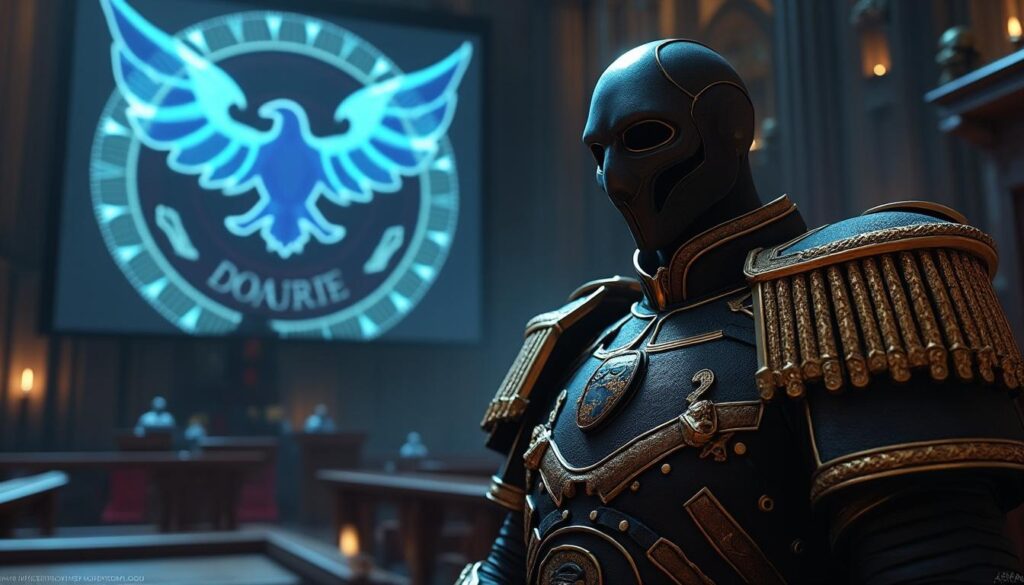
In the competitive world of gaming, a single detail can make all the difference. Recently, a game inspired by Warhammer was removed from Steam following an unexpected incident triggered by a not-so-ordinary shoulder pad. The developers, caught in a DMCA warning, had to navigate the intricacies of copyright to bring their creation back to the platform. A deep dive into a situation that is nothing short of epic!
How a Shoulder Pad Propelled FTL into the Warhammer 40K Universe… and Right into DMCA Jail on Steam
The world of video games is filled with unique stories, but this one stands out. It focuses on an element as mundane as a shoulder pad, which managed to catch the attention of one of the most feared entities in the field: Games Workshop. Let’s explore how this accessory led a game, inspired by the complex lore of Warhammer, into a real controversy surrounding the DMCA on Steam. The story takes us through twists and turns, trailer modifications, and a battle for the right to exist in a both fascinating and ruthless universe.
A Trailer That Makes Waves
Video game trailers are often designed to captivate and seduce the audience. In the case of Void War, a promising development from Tundra studio, the trailer emitted signals that did not escape the watchful eye of Games Workshop. Indeed, a simple shot showcasing oversized shoulder pads caught the attention of representatives from the renowned company. They saw this as a threat to their *intellectual property*.
What happened next is typical of the current video game culture. Games Workshop filed a DMCA complaint arguing that these clothing details could mislead about the association of Void War with their universe. The developers then found themselves faced with the obligation to remove their trailer. This resulted in a scenario where the fabric of the game was jeopardized, simply due to the appearance of a shoulder pad.
The Consequences of a Legal Conflict
Tundra’s quick response was to concede and modify their approach. Remove the trailer, compensate for damages, and reassess design elements. In a statement, the studio expressed its disagreement with Games Workshop’s decision. However, they decided that the best course of action would be to eliminate the problem at its source.
By removing the contentious content, they managed to bring their game back on Steam. Paradoxically, the shoulder pad episode sparked passionate discussions about the limits of creativity and the power of large companies. How can small studios navigate an environment where every pixel can be a source of conflict? The answers often seem very limited.
The Importance of Creative Support
Fortunately, support within the developer community is strong. Specialized lawyers and colleagues in the industry are often there to help clarify legal challenges. Independent studios may find themselves isolated against giants, but pooling resources remains an effective way to combat abuses of power.
Today, the story of Void War is a staggering reminder of the complexities of publishing in the gaming world. More than just an isolated incident, it also illustrates an ecosystem where creativity and bureaucracy intersect. But the love for video games and the passion for creation continue to thrive, despite legal turbulence.
Toward an Uncertain but Promising Future
As developers fight to make their voices heard, the rise of independent games could very well transform the landscape. The community of gamers is more involved than ever. It nurtures a growing interest in unique and bold creations that dare to stand out from the usual conventions. It’s a crucial moment for the industry.
This pivotal moment prompts us to reflect: what rules should we follow for harmonious coexistence? The exchange of ideas between small studios and big names could offer a new path. When creativity meets commercial rigor, the horizon of video games could well expand, giving birth to projects that we would never have dared to imagine.
How a Shoulder Pad Propelled FTL into the Warhammer 40K Universe… and Right into DMCA Jail on Steam
In the world of gaming, every detail matters, even the most insignificant ones like a simple shoulder pad. In the case of Void War, a game inspired by the Warhammer universe, a decision on a design triggered a storm that led to the game’s removal from Steam. The saga begins when a promotional video caught the attention of Games Workshop, the owner of the rights to the Warhammer universe. Their reaction was swift and precise: a DMCA complaint accusing the game of visually borrowing elements too similar to their intellectual property.
What made this situation particularly delicate was the wandering nature of copyright. In a universe where originality and creativity are paramount, it is ironic that a simple detail like shoulder pads could lead to such complications. The controversy arose after the development studio Tundra had to remove its trailer to end hostilities. Their challenge was to juggle the artistic vision of the game while complying with the legal requirements imposed by the industry.
The creators of Void War expressed their disagreement with the position of Games Workshop, but made the pragmatic decision to remove the trailer to avoid a lengthy legal process that could halt the distribution of the game. This situation highlights the complexity of the legal landscape of video games, where creative audacity can quickly encounter numerous obstacles. It is a lesson for all developers: every detail counts, and sometimes knowing when to pick your battles is just as important as the creation itself.


