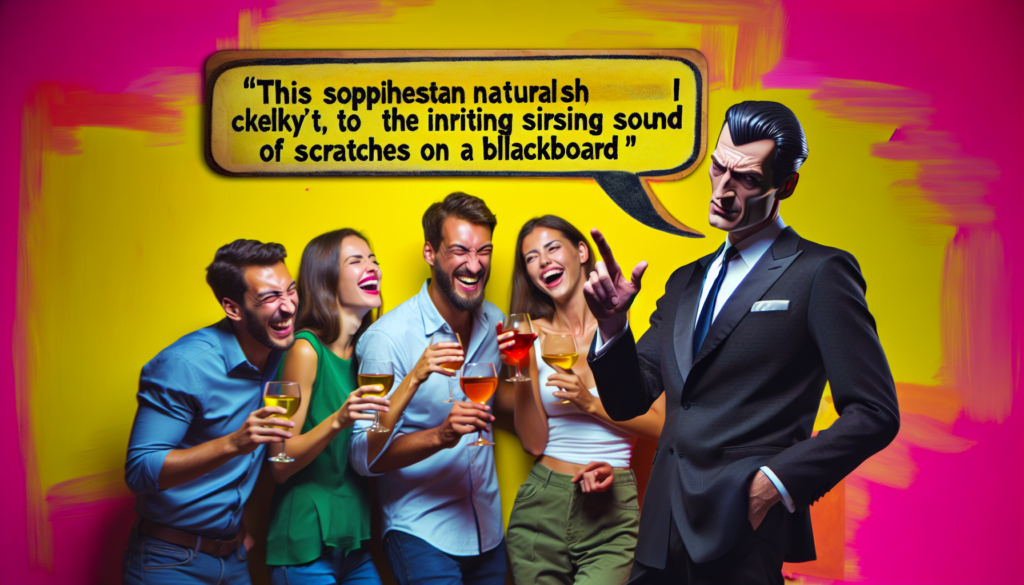
In a constantly evolving cinematographic universe, the creative choices of actors are sometimes confronted with unexpected realities. Robert Pattinson, known for his nuanced performances and versatile acting skills, recently shared a fun anecdote about his attempts at impressions inspired by the famous duo of jackass. Despite his enthusiasm, these vocal interpretations were judged unpleasant, compared to scratches on a blackboard by the director Bong Joon-ho, who is directing his next film Mickey 17. This incredible situation illustrates the challenges that an artist can face when trying to merge humor and performance in a dramatic context.
|
IN BRIEF
|
As part of the promotion of his new film, Robert Pattinson revealed that he tried to incorporate prints inspired by the famous figures of jackass in his role. However, director Bong Joon-ho was quick to let him know that these voices were not unanimous, even calling them unpleasant. This article explores the reasons behind this decision and the artistic implications that arise from it.
The context of the production of Mickey 17
Robert Pattinson, actor variable talent and known for his ability to transform, plays the main character in the science fiction film Mickey 17. This film addresses themes of cloning, survival and identity in an intergalactic setting. The direction of Bong Joon-ho, known for his hit films like Parasite, promises an immersive and thoughtful experience.
During preparation, Pattinson began experimenting with distinctive voices for clones of his character. His intention was to add a touch of humor and absurdity to a dramatic story. He therefore chose to draw direct inspiration from the comics of jackass, notably Steve-O and Johnny Knoxville, without suspecting the reactions it would provoke.
Listening to first impressions, the director was frank. Indeed, he found that Pattinson’s impersonations looked like scratches on a blackboard, a strong metaphor which challenged the actor. Such disapproval led to further consideration of the choice of voices for the clones.
Robert Pattinson’s artistic choices
Pattinson, aware of the challenges of such a multi-dimensional role, sought to create a clear distinction between the clones. Far from being discouraged by Bong’s advice, he explored other avenues to bring his characters to life. In an interview, he shared his initial disdain for his own idea. The shock of criticism allowed him to reflect on another type of voice, more nuanced.
For Pattinson, each clone represents a facet of his personality. He thus described one of them as a dog which shows a complete lack of trust, constantly returning to service. This deep sense of uselessness helped him adjust his vocal approach, moving away from caricatured imitations.
Ultimately, his choice to take Mickey 17 in a less comedic direction is both bold and poignant. Instead of clinging to his first intuition, he opened himself to new inspirations, even citing cartoon characters as a reference. This desire to evolve artistically is a sign of maturity in his career.
Public reactions and perspectives
The public, always hungry for authentic and original content, impatiently awaits the final result. The trailer, which has already sparked heated discussions, promises to highlight the complex emotions of Pattinson’s character. The pressure of expectations is palpable. A mixture of curiosity and optimism seems to dominate fans’ reactions.
This situation also highlights the role of artistic directors in modern cinema. How can a simple comment influence an actor’s career and the direction of a production? Creativity offers immense scope for exploration, but constructive feedback, like Bong’s, is just as crucial. This highlights a balance to be found between individual expression and the collective vision of a project.
In this dynamic, it is interesting to see how Pattinson was able to learn from his intuitive choices. Even when initially viewed negatively, these choices can lead to rewarding adjustments. Thus, the film Mickey 17 promises to be a work where authenticity and experimentation coexist.
Robert Pattinson’s Jackass Impressions: An Exploding Reaction
In the world of cinema, the originality of interpretations is often a subject of debate. Robert Pattinson, known for his iconic roles, has recently experimented with voices inspired by the characters of jackass for his role in the science fiction film Mickey 17. However, this audacity was not received positively by director Bong Joon-ho, who deemed these voices equivalent to “serious scratches on a blackboard”. This raises the essential question: where is the line between innovation and inadequacy in artistic expression?
Pattinson explained that his first intentions were to bring his characters to life using iconic voices like those of Steve-O and Johnny Knoxville. In a moment of creative reflection, he wanted to add a unique touch, even if this led to results considered disturbing by his director. Bong Joon-ho’s reaction reminds us of the complexity of the creative process where each vision must resonate with the overall work.
The pressure is further intensified when faced with specific expectations from producers and audiences. This case illustrates the need for artists to carefully navigate between innovative artistic conceptions and established standards. Pattinson, in attempting to venture into the realm of burlesque, must now reevaluate his approach to find a balance while preserving his artistic identity. The interplay between free interpretation and necessary adjustments is a complex challenge that every actor faces, and Robert Pattinson is no exception.