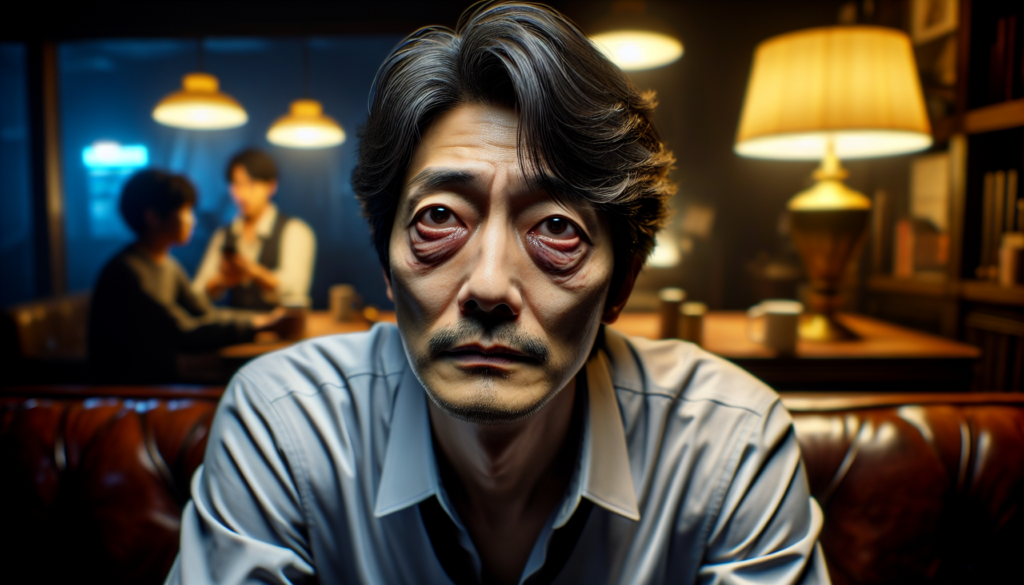
The phenomenal success of Squid Game, this captivating series from Netflix, not only left its mark on viewers, it also had profound repercussions on its creator. Hwang Dong-hyuk revealed that the immense stress of making the first season cost him not only precious nights of sleep, but also several teeth. Plunged into a spiral of anxiety and nightmares, he could not escape the creative pressures linked to his work, a reflection of contemporary struggles in the face of economic inequalities. This disturbing reality about the director’s career sheds new light on the price to pay for success and recognition.
|
IN BRIEF
|
Stress and success: the journey of the creator of Squid Game
The creator of the hit series Squid Game, Hwang Dong-hyuk, suffered the physical and mental consequences of his masterful work. Indeed, his experience filming the first season was so trying that he lost several teeth and suffered terrible nightmares. There intense pressure and the critical gaze of the public amplified his stress. In this article, we will explore the challenges he faced, the emotional and physical impact on his health, and the nature of the cultural phenomenon that is Squid Game.
A tumultuous shoot
When the first season of Squid Game was launched on Netflix, Hwang Dong-hyuk was plunged into an unpredictable adventure. The director, whose bold vision was sometimes at odds with the realities of the production, felt a immense pressure to meet the expectations of spectators. The days were long and the stress was omnipresent. He remembers losing “eight or nine teeth” due to this incredible pressure. This detail, although shocking, illustrates the extent to which his body reacted to the trauma he suffered.
Every day in the studio created an emotional rollercoaster. The artistic choices, careful casting, and intense scenes intertwined to form a web of anxiety. Hwang explains that anxiety haunted him relentlessly, resulting in nightmares where everything could go wrong. Strangely, this level of stress was also fueled by constant scrutiny of his work and possible criticism.
A curse of success
Accepting success is not always easy. Hwang said this level of success, which came with strong global recognition, sometimes turned into a burden. The adrenaline of creation, coupled with the fear of not being up to the task, fueled his anxieties. Several factors weighed on his shoulders:
- High expectations of the public, eager for an even more captivating second season.
- The need to evolve while preserving the shimmer of the original universe.
- There realization that his work had shed harsh light on difficult social realities, making each episode even more significant.
Behind the scenes, nightmares dogged him, often relating to potential mistakes or production issues burgeoning in his mind. This reinforced a cycle of incessant stress. Paradoxically, this suffering generated a certain creativity, but against a backdrop of personal pain.
An omnipresent societal pressure
The phenomenon of Squid Game is not limited to simple fiction. Hwang captured deep societal truths through this thrilling drama. By incorporating themes of economic inequality and despair, the series resonates deeply with global audiences. The fears it raises are not just fictitious; they are anchored in the reality of many individuals. Leland highlights these similarities: his own life journey acted as a mirror for characters such as Seong Gi-Hun, the tormented protagonist. This mixture of fact and fiction contributed to Hwang’s anxiety, who felt the heaviness of responsibility on his shoulders.
Seeing his work become such an international success gave rise to other fears. Hwang wondered if expectations for the upcoming season would be too high. His preoccupation was primarily centered on creating new characters who would resonate as powerfully as his first heroes. Through these reflections, his worry only grew like an already imposing wave.
The path to a new balance
Today, Hwang finds himself facing the challenge of the second season. Although he is aware of consequences from the previous test, he tries to find a balance. The lesson learned from his first experience allowed him to see the creative process from a different perspective. While he fears the nightmares that persist, he also longs for recovery. For Hwang, creation is more than just a job, it is a passion that deserves to be pursued with serenity.
His hopes center on a fundamental message: the person behind the creation must also take care of themselves. As excitement builds around the second season, part of him fervently wishes that it wouldn’t inflict further physical or emotional harm. With his phenomenal success, Hwang single-handedly embodies the dilemma between success and sacrifice, reminding us that every creation has its price to pay, both personally and professionally.
The sacrifices of the creator of Squid Game
The phenomenal success of Squid Game not only captivated millions of spectators around the world, but also had unexpected repercussions on its creator, Hwang Dong-hyuk. The daily pressure of making this suspenseful drama series created stress levels so extreme that they led to tangible physical consequences. Indeed, Dong-hyuk revealed that he lost eight of his teeth because of the tensions accumulated during filming. This poignant aspect highlights the often overlooked reality behind artistic creation, where talent and innovation can be accompanied by painful personal sacrifices.
But that’s not all: Hwang Dong-hyuk also admitted to suffering from nightmares frequent, anxious and tormented by the fear of failure. This feeling of responsibility in the face of the high expectations of fans and critics haunts him and disturbs his sleep. This makes you think about the nature of success: can it really be considered a victory when it involves such personal suffering? The challenges encountered in the creative process can sometimes seem insurmountable.
In short, the success of Squid Game placed its creator in a whirlwind of contradictory emotions. On the one hand, he has been acclaimed for his work, but on the other, he is dealing with physical and psychological damage. Paradoxically, this highlights the extent to which passion for art, even when successful, can expose individuals to unsuspected risks. The sacrifices behind every work of art deserve to be recognized and celebrated, because they reveal the humanity and vulnerability behind creation.