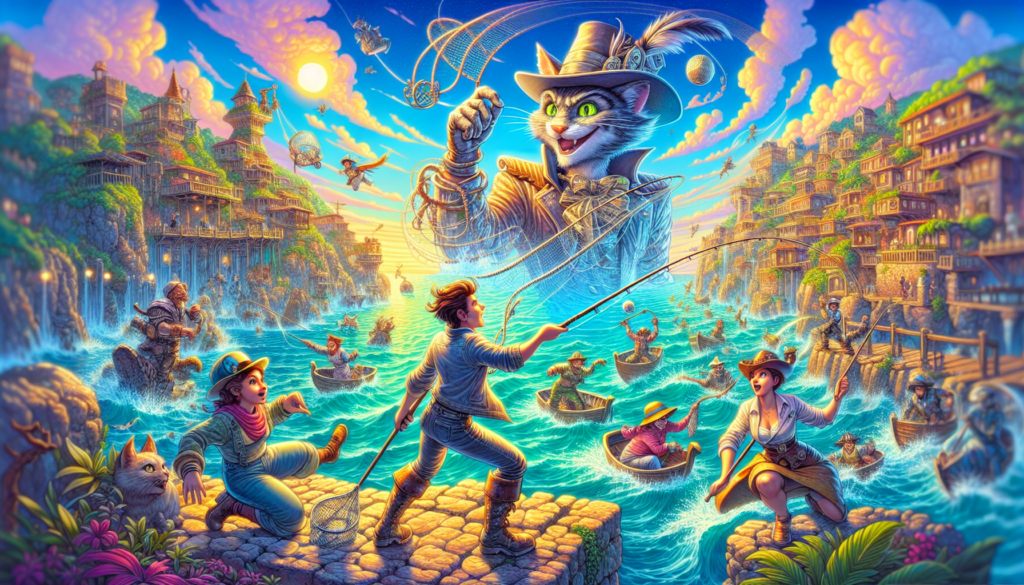
In a world where imagination and reality intertwine, the connection between the director Ryan Coogler‘s wolverine and DreamWorks Animation’s Puss in Boots may seem improbable. However, this astonishing relationship reveals how iconic characters, like the menacing wolf that pursues the cat, can influence even the darkest narratives. Through design elements and shared characteristics, Coogler shows us that even inspirations drawn from animation can give birth to figures of terror in the realm of cinema.
|
IN SHORT
|
In the fascinating world of cinema, unexpected links can emerge between seemingly disparate works. In this article, we will explore the surprising relationship between Ryan Coogler’s latest film, “Sinners,” and the timeless character of the Puss in Boots. Indeed, cinematic influences cross unexpected boundaries, connecting narratives in creative and memorable ways.
Mysterious Inspirations in Cinema
Directors often seek inspiration in unexpected places. Ryan Coogler, speaking about his latest project, revealed that the main character in “Sinners” was influenced by the Wolf from the animated film *Puss in Boots*. Upon reflection, it’s fascinating. This connection suggests that characters from the animated realm can have a profound impact on darker and more mature narratives. The Wolf, with its unsettling red eyes, embodies a palpable threat, just like the protagonist of Coogler’s latest film.
This phenomenon is not exclusive to Coogler. Many artists draw inspiration from animation to create works that resonate with the audience. It reminds us that the collective imagination thrives on diverse elements. Small anecdotes from daily life, or even characters from children’s tales, can spark incredible creations. But then, why this particular link between a feline hero and a villain?
The Characteristics of the Wolf and Their Impact
In *Puss in Boots*, the Wolf emits an aura of mystery that directly influences the design of Remmick, the villain in “Sinners.” The latter, much like his animated counterpart, possesses eyes that captivate and terrify. It’s interesting to note how Coogler describes the traits of this character: “think of the threat that emanates from him.” Indeed, the duality between the charming cat and the formidable Wolf is reflected in their narrative stakes.
The manifestation of fear and empathy, represented by these two characters, creates an intriguing dialogue in contemporary cinema. These relationships between films go beyond mere inspiration; they reveal layers of emotional depth that transcend genres. Who would have thought that a legendary cat could influence a modern horror narrative?
The Influence of Animation on Contemporary Narrative
The world of animation is rich with lessons and symbols. Films like *Puss in Boots* demonstrate that animated narratives can address universal themes. Through the story of this bold cat, the values of friendship, courage, and perseverance are highlighted. Ryan Coogler, drawing on these themes, enriches his narrative. This shows how animation influences other artistic fields.
- Emotion. Animated characters often evoke a strong emotional connection.
- Symbolism. Their traits can symbolize universal fears or desires.
- Impact. Elements of animation often reinforce themselves across various genres.
However, this influence extends far beyond mere character. It also touches on how stories are told. The evolution of characters, suspense, and even plots are inherited from these animated narratives. A lesson that many directors must remember. They must consider how stories are intimately connected, whether they are aimed at children or adults. This opens a whole new dimension to creativity.
Reflection on Artistic Scope
The connection between films like *Sinners* and *Puss in Boots* raises an interesting question: can art truly be schematized by type and genre? Each work, by any director, leaves a mark on the cultural landscape. As Coogler points out, art is a maelstrom of influences. Exploring these influences will always nourish artistic dialogue.
It is crucial to recognize that representatives of animation and traditional cinema must collaborate. Their stories can mutually enrich each other. Characters, narratives, and emotions can converge, creating a new form of artistic expression. This approach will encourage diversity in storytelling and art, making each work unique.
As we eagerly await the release of “Sinners,” it is fascinating to analyze how interconnected the world of cinema can be. Establishing links between different works reminds us that every narrative has its place and should be celebrated for its richness. Art is a canvas woven from impressions drawn from the most unexpected experiences.
It is fascinating to discover how the universe of cinema can cross paths unexpectedly, as in the case of Ryan Coogler’s new film, Sinners, and the legendary animation from DreamWorks, Puss in Boots. Coogler, known for his innovative storytelling approach, has openly acknowledged the impact the character of the wolf in the latest film of Puss in Boots had on his antagonist, elevating the creation of characters to an even more fascinating level.
In a captivating exchange during a podcast, Coogler explained how the menacing face of the poetic wolf, with its iconic red eyes, inspired the design of his own villain, Remmick. This surprising link reveals not only the influence of animation on live-action films but also underscores how striking visual elements can evoke chills in the collective imagination. Every detail matters, and even the subtlest can give rise to a memorable character.
It is interesting to note that this connection between a cute character like Puss in Boots and the darker approach of Sinners resonates with a broader truth of cinematic art: influences can come from anywhere and take unexpected forms. Whether from an animated scene or a small understanding of everyday life, each inspiration contributes to the creation of works that touch the audience in a unique way.
Thus, the reference to a legendary wolf from the animated world embodies this harmony between innocence and horror, sprouting new and captivating ideas that resonate in modern cinema. Coogler shows that behind every film lies a multitude of unexpected influences, proving once again that creativity knows no boundaries.