Immerse yourself in the heart of the wild and captivating immensity of the Gobi Desert in Mongolia. An unparalleled adventure awaits you, between endless dunes, hidden oases and centuries-old nomadic traditions. Let yourself be carried away by the magic of this mythical desert where exploration rhymes with wonder.
A landscape from another planet
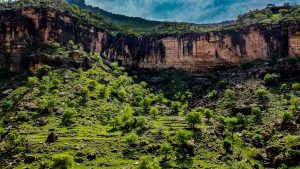
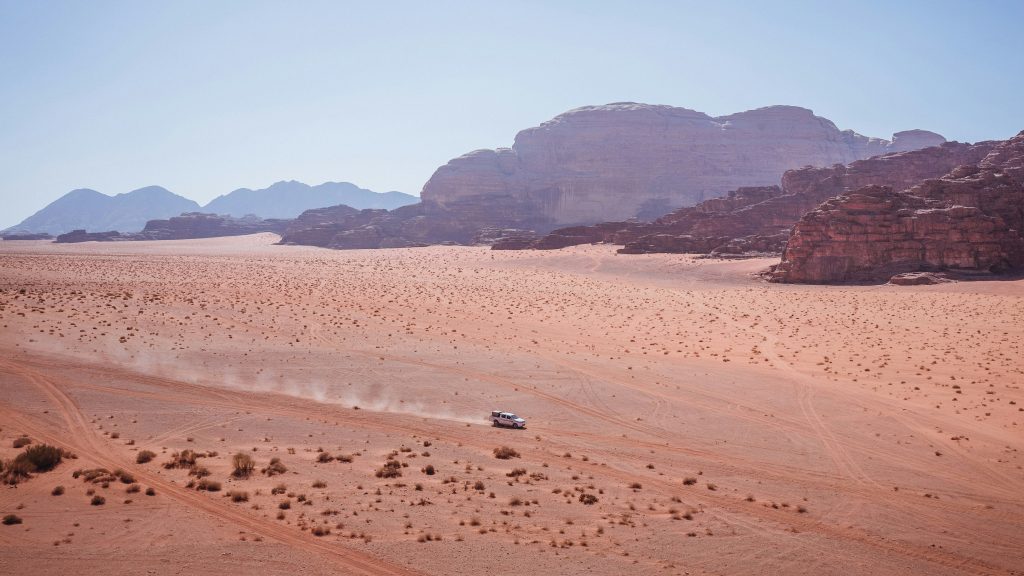
THE Gobi desert, located between southern Mongolia and northern China, reveals a landscape that seems straight from the Moon. It is the largest desert in Asia and the fifth largest in the world. Far from the clichés of endless dunes, the Gobi is a mosaic of arid steppes, cliffs, canyons, and colorful rock formations. A few rare dunes add a touch of sand to this landscape of sedimentary rocks and dry meadows.
Wild life and nomads of the Gobi
As you cross the Gobi Desert, you will come across camels, horses, gazelles, yaks and herds of goats roaming free. The region is very sparsely populated, sheltering only a few nomadic families living in yurts. These goat and camel herders lead a quasi-self-sufficient life, moving regularly to follow pastures and water sources.
Stargazing
Offering one of the best views in the world, the Gobi Desert is perfect forstargazing. With often clear skies and no light pollution, it is a true paradise for astronomy enthusiasts.
Geography and characteristics
With an area of approximately 1.3 million km², the Gobi Desert covers a third of Mongolia and part of northern China. It stretches 1,600 kilometers long and 800 kilometers wide, peaking at an altitude of around 1,500 meters. Made up of 33 distinct desert zones, it is rich in geological and ecological diversity.
Unmissable sites
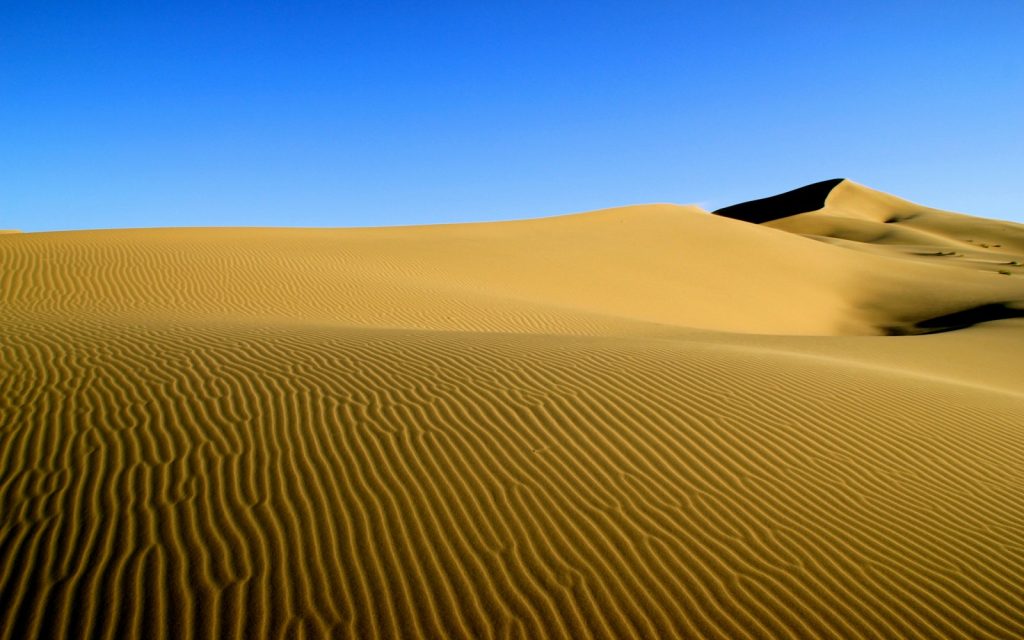
Among the sites not to be missed, the dunes of Khongor are the most impressive with their 180 km long and up to 250 meters high.
THE fiery cliffs of Bayanzag, famous for revealing dinosaur eggs, offer another spectacle to visitors with their flamboyant red tones.
- Khongoryn Els – Largest sand dunes in the Gobi Desert
- Flaming Cliffs de Bayanzag – Red rock formations sheltering dinosaur fossils
- THE white stupa (Tsagaan suvarga) – An impressive rock formation 60 meters high
- THE Düngenee and Yol canyons – Ideal for breathtaking hikes
- The mountains Baga Gazriin Chuluu – Eroded granite formations perfect for hiking
Fauna and flora
The Gobi is far from being a barren desert. It is home to a wide variety of animals and plants. You will meet there Przewalski horses, snow leopards, gazelles, and even Gobi bear. The flora, although discreet, is adapted to extreme conditions, such as the saxaul, a tree that grows even in sand and can be used to extract drinking water.
The extreme climate
The climate of the Gobi Desert is very varied with temperatures that can exceed 40°C in summer and drop to -25°C in winter. Winds can be violent, pushing dunes and continuously shaping the landscape. The ideal months to visit are June and September, when temperatures are milder.
Explore the Gobi by van
For an authentic experience, crossing the Gobi Desert in a Russian van is an unforgettable adventure. You will spend your nights in a yurt, with a local or in a tent. THE bivouac in the desert is magical, with starry skies and breathtaking landscapes.
Staying in yurts with nomadic families offers a unique immersion in an atypical culture. You will share local meals, often based on dairy and meat products, and participate in their daily activities.
Discover the richness and diversity of the Gobi Desert, a place where adventure and discovery await you.