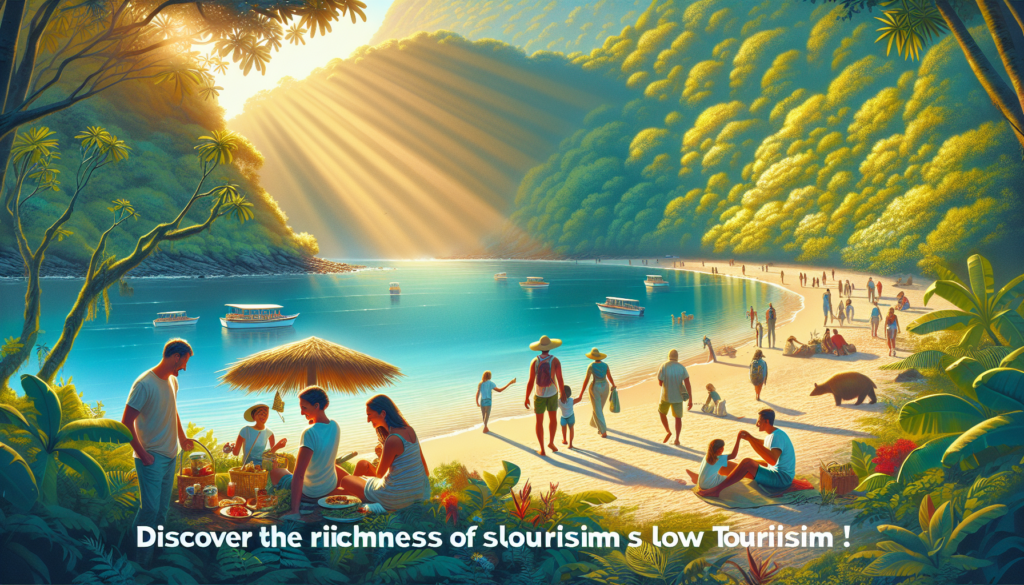
At a time when the world is moving towards a sustainable tourism and respectful of the environment, the island of Meeting emerges as a flagship destination for fans of slow tourism. This intense island, rich in biodiversity and culture, offers an idyllic setting for authentic stays, inviting visitors to take the time to savor each moment. As the popularity of this trend continues to grow, Reunion is positioning itself as an inspiring example of a destination that combines nature, tradition And ecology, thus promising a bright future for slow tourism.
Reunion, by its natural heritage and its cultural diversity, is emerging as a flagship destination for fans of slow tourism. This travel model advocates an approach focused on reconnection to nature and the authentic discovery, far from the classic tourist routes. This article explores the different facets that make the island a land conducive to a sustainable tourism experience.
Reunion, land of exception
Reunion Island is undoubtedly a true natural gem. With its volcanoes, cirques and fine sandy beaches, the island charms at every corner. Listed as a UNESCO World Heritage Site, it attracts more and more travelers in search of authentic sensations. Far from saturated destinations, it invites you to discovery of traditions and varied landscapes.
Every part of the island tells a story. For example, the famous Piton de la Fournaise, one of the most active volcanoes in the world, captivating with its lunar landscapes. By choosing to explore these spaces, visitors let themselves be carried away by the magic of the place. It is a call to feel the sweetness of life, anchored in nature preserved.
Immersion in a living culture
In Reunion, cultural diversity is omnipresent. In local markets, travelers can immerse themselves in the Creole spirit. Between discussions with producers and gourmet moments, these experiences nourish the soul. Reunionese gastronomy, with its colorful dishes, becomes a true symbol ofauthenticity.
- The markets of Saint-Paul, full of life, offer a multitude of local products.
- Traditional festivals, such as Dipavali, show the richness of customs.
- Maloya music resonates in the streets, illustrating the inhabitants’ attachment to their culture.
These shared moments help strengthen the link with this territory. Taking the time to discuss, to discover, to deepen your knowledge of traditions, transforms the trip into a real immersive adventure.
A commitment to sustainable tourism
Slow tourism requires a strong commitment to nature. On the island, many initiatives are emerging to promote environmentally friendly practices. Many establishments welcoming visitors emphasize respect for local biodiversity. In addition, several lodges position themselves as alternatives to large hotel complexes.
Deciding to stay in a lodge run by locals not only favors an eco-responsible lifestyle, but also supports the local economy. Each operation contributes to reducing the carbon footprint while promoting sustainable development.
Activities conducive to slow tourism
In Reunion, the activity possibilities for fans of slow tourism are varied and enriching. Hikes provide access to breathtaking landscapes. Whether in the Salazie or Mafate cirques, each step is an invitation to contemplate the beauty of the place.
By integrating natural aspects into each activity, visitors come closer to a more serene philosophy of life. For example, people learn to snorkel in the Western Lagoon or engage in exchanges with locals. These practices enrich the stay. Let’s create unforgettable memories together.
A bright future for slow tourism
With its enchanting landscapes and cultural potential, Reunion Island is positioning itself as a reference for responsible tourism. Recent efforts in ecotourism and multiple initiatives aimed at raising awareness among visitors demonstrate the desire to preserve this unique island. An enriching encounter betweenman and nature is gradually taking shape, opening up countless perspectives.
Thus, the development of slow tourism in Reunion Island is proving promising. The island combines respect for the environment and a desire for discovery. The advantages of this model appeal not only to tourists, but also to locals who see their daily lives valued. Every step on this ground is a chance to learn, grow and change your vision.
|
IN BRIEF
|
slow tourism , the island offers travelers a unique opportunity to immerse themselves in authentic experiences while respecting the environment. This mode of travel, focused on slowness and connection with nature, responds to a growing demand for serene escapes, far from the crowds and the hectic pace of traditional destinations.The diversity of Reunion’s landscapes, ranging from
volcanoes majestic lagoons turquoise, along with vibrant Creole traditions, attract more and more visitors in search of meaning. Travelers today are more aware of the impact of their presence on the local ecosystem, thus seeking to minimize their carbon footprint while enjoying the beauty of the place. This translates into a growing commitment to eco-responsible practices, such as selecting sustainable accommodation and traveling in nature. Local teams, involved in promoting
sustainable tourism , strive to educate and raise awareness among visitors about the importance of preserving the environment. This proactive approach helps to establish a symbiosis between tourism and nature, making the island even more attractive to those who wish to combine pleasure and responsibility.In short, with its innovative initiatives and its commitment to respectful tourism, Reunion is positioning itself as a
flagship destination for those who aspire to slow down and appreciate every moment. The future of tourism on the island definitely seems to be moving towards experiences that promote authenticity, discovery and respect for the environment, thus propelling Reunion Island to the rank of reference in terms of slow tourism.