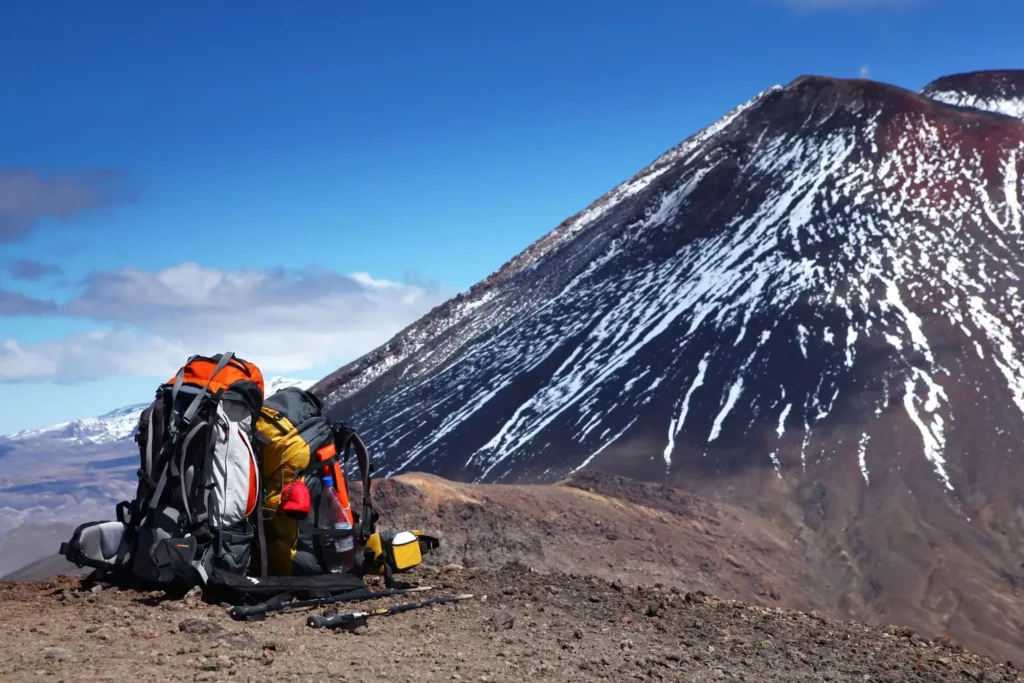
Traveling light is a true art, especially for enthusiasts of trekking and road trips. The key to a successful adventure often lies in how you prepare your backpack. Every seasoned traveler knows the importance of minimizing the weight of their gear while maximizing the efficiency of their luggage. In this adventure, discovering the best tips from those who have made hiking a way of life provides an optimal experience, where every gram counts and organization proves crucial. Preparing to travel light means embracing a philosophy that facilitates not only transport but also the exploration of new horizons.
In the world of backpacking, the concept of traveling light is essential. This not only concerns the luggage you carry but also the philosophy behind your adventure. This guide offers practical advice and expert tips for efficiently packing your backpack. By applying these basic rules, you can explore the world with agility and comfort.
Preparing Your Backpack: A Matter of Method
Preparing for a trip begins with reflecting on what you will actually take. Start by making a list of essentials, as this will help you keep your bag light. Avoid giving in to the temptation of bringing too many items that, in the end, will not be used. Indeed, the key to a successful trip lies in the essentials.
It is also wise to invest in a quality backpack, especially a 60 + 10 L model if you plan to camp. This will provide you with expandable storage space for your purchases along the way. Remember that at all times, the weight of the backpack should not exceed 20% of your body weight. This will allow you to remain agile and avoid back pain.
Traveling Light: The Importance of Weight Distribution
Good weight distribution is crucial for comfort during your travels. Place the heaviest items close to your back so they do not affect your balance. This also avoids straining your back muscles too much. Light items should be positioned at the top of your bag to optimize your posture and reduce fatigue.
Also, think about adjusting your bag according to your body type. The adjustment straps are your allies to ensure good support. Do not neglect the adjustments at the chest and hips. Furthermore, it is essential to ensure that the load-reduction strap is well used so that your load is balanced.
Organization: Compartmentalizing for Better Arrangement
Once you have lightened your bag, it is time to compartmentalize your gear. Use pouches to group your items into distinct categories. One bag for your warm clothes, another for underwear, or for the pharmacy and toiletries, for example.
- Pouches for lightweight clothing
- Toiletry accessories neatly packed
- Camping gear well organized
This method of organization makes it easier to find your items while on the move. You will no longer waste time searching for an essential item, which will make your trip more enjoyable. Additionally, you will reduce the risk of misplacing valuable or necessary belongings.
Traveling Light: Practical Tips for a Smooth Journey
Finally, applying these tips daily will be beneficial. Backpacking trips require continuous adaptation to your environment. Learn to simplify your belongings as you progress. Regularly question the necessity of certain items.
Automating this reflection will help you maintain a light backpack throughout your adventures. Do not hesitate to turn to traveler communities to discover other tips and share your own experiences. Many resources, such as this expert interview, provide valuable ideas for optimizing the art of backpacking.
|
IN SHORT
|
When considering traveling with a backpack, it is essential to master the art of lightness. This fundamental principle is based on the philosophy of limiting oneself to essential items, thereby minimizing the weight carried during the journey. A good balance is not only crucial for your comfort but also for fully enjoying every experience.
Experienced adventurers agree that the average weight of your bag should not exceed 20% of your body weight. This ensures excellent mobility and reduces the risk of injury. Moreover, purchases made along the way – whether for souvenirs or food products – can quickly clutter your bag, hence the importance of opting for an expandable bag model, such as a 60 + 10 L.
Another essential golden rule is weight distribution. Heavier items should be placed close to your back for better distribution, thus avoiding body pain. This method encourages a center of gravity that maintains your balance, even during long hikes and varied terrains.
Next, it is essential to compartmentalize your belongings. Using pouches or dividers to organize your clothes, toiletries, and multimedia gear helps not only keep your bag organized but also facilitates access to what you need without rummaging for hours.
Finally, adjust your bag according to your body type. Adjustment straps can prove to be your best allies for a personalized fit, which is essential for a comfortable and hassle-free trip. By applying these tips, you will be able to enjoy your adventure with a light spirit and a well-arranged bag.