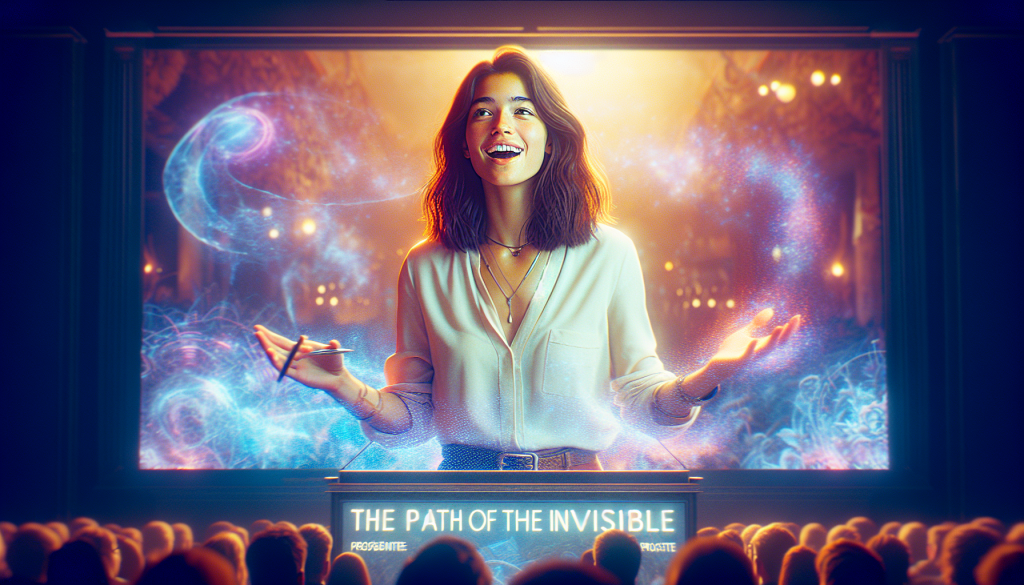
In an emotional and revealing exploration, Eugénie Zvonkine invites us to discover her captivating project entitled “The Path of the Invisibles”. This bold documentary focuses on themes of grief and the resilience, confronting spectators with intimate and powerful stories. The work is part of a cinematographic tradition which examines human relationships, while addressing the delicate question of loss and absence. Through this lens, Zvonkine challenges us to reflect on how we honor those who are no longer with us, transforming pain into a subtle celebration of memory.
In her latest film project, Eugénie Zvonkine immerses us in a poignant exploration of the consequences of loss and absence, superbly embodied in the film “The Path of the Invisibles”. The film tackles delicate themes by highlighting the complex emotions of characters facing personal tragedies. This rich and emotional work is part of a context where art becomes a vector for reflection and understanding on often silenced subjects.
A work between contemplation and introspection
“The Path of the Invisibles” stands out for its ability to evoke feelings of loss and melancholy. The film, which lasts 57 minutes, takes place in the Nouvelle-Aquitaine region and takes place within a contemplative landscape. Throughout the work, the viewer is invited to question the impact of tragic events on their protagonists. Eugénie Zvonkine’s camera captures with disconcerting sensitivity the subtleties of emotions, both in terms of dialogue and silence.
A personal story imbued with universal emotions
One of the strengths of this film is its ability to transform a personal experience into a universal narrative. Eugénie Zvonkine addresses the pain of mourning, reporting an experience of an interrupted pregnancy. This theme, as personal as it is, resonates with the sadness of many people who have gone through similar ordeals. This delicate subject is treated with a depth which echoes the realities of others, and offers a reflection on life and death, as well as on the invisible ties which bind us to our deceased loved ones.
Eugénie Zvonkine’s artistic approach
Lecturer and film critic, Eugénie Zvonkine is part of a lineage of artists who explore the gradual dissonance in the cinematic narrative. His work focuses on how films can reveal hidden stories and symbols related to everyday life. “The Path of the Invisibles” does not escape this theme and becomes a projection space for broader reflections on contemporary cinema and its capacity to express human struggles.
A resonance with Russian cinema
As part of this work, Eugénie Zvonkine highlights the influences of Russian cinema, particularly through the works of directors like Kira Mouratova. The film thus invites a journey through emotions, while being part of a broader tradition of cinematic reflection. The diversity of Eugénie’s perceptions, whether through her role as filmmaker or critic, enriches her approach and makes “Le Chemin des Invisibles” a work at the crossroads of the intimate and the universal.
Discussions around the film and its cultural impact
The presentation of “The Path of the Invisibles” aroused keen interest within academic and cinematographic circles. The discussions organized around the film, particularly those held at theUniversity of Paris 8, allowed participants to explore and debate the themes raised. Eugénie Zvonkine, through her expertise, helps to anchor the film in an enriching cultural dialogue, paying tribute to the complexity of human emotions and their representation on screen.
A call for reflection and sensitivity
“The Path of the Invisibles” opens the way to a reflection on the importance of making often hidden suffering visible. Eugénie Zvonkine reminds us through this film that behind each melody of life there is a story, a loss, a call to love. The resulting emotions transcend words and invite everyone to listen more attentively to others, as well as to renewed empathy towards those who are going through similar ordeals.
To learn more about other works and artistic approaches, you can discover the films and reflections of John Cromwell or delve into the world of Maya Duverdier and Joe Rohanne. For those who enjoy exploring varied cultural perspectives, the dissident voice of Pier-Philippe Chevigny also deserves special attention. Finally, an escapade through the unsuspected jewels of Europe could enrich this internal and external appreciation of life stories.
For additional exploration, check out the links below: John Cromwell – “The Invisible Hand”, Maya Duverdier and Joe Rohanne: Diving into the world of “Dreaming Walls”, Pier-Philippe Chevigny: the dissident voice, and finally explore the forgotten jewels of Europe.
- Title : The Path of the Invisibles
- Presented by: Eugenie Zvonkine
- Duration : 57 minutes
- Format: Movie in HD, Color
- Subject : Loss of a child and the grieving process
- Location : New Aquitaine, France
- Approach : Exploration of Russian cinema, themes of motherhood and death
- Style : Gradual dissonance, introspection
- Emotion: Painful, emotional
- Context : Medical termination of pregnancy