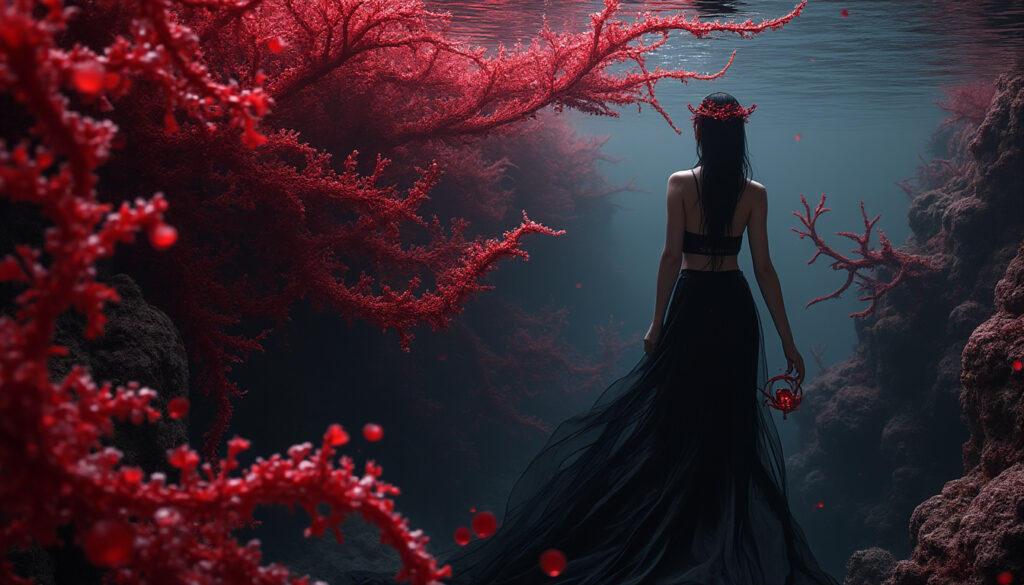
As part of the Étrange Festival 2026, a bold work is set to captivate the audience: “Sanguine” by Marion Le Corroller. This film, rich in sensations and questions, delves into the labyrinths of a hospital under intense pressure and troubling transformations. Questioning the relationship of young people to a changing world of work, this creation revolves around the character of Margot, a medical intern, who confronts the difficulties of her environment while exploring the limits of her own body. Promising a striking cinematic experience, “Sanguine” stands as a must-see for this exceptional edition of the festival.
On the occasion of the Étrange Festival 2026, the film “Sanguine” by Marion Le Corroller captured the audience’s attention through its bold exploration of contemporary themes. Through an immersive narrative, it tackles the complexity of social relationships within a medical framework, while infusing a singular atmosphere illustrated by the graphic power of its images. This article offers a deep dive into the intriguing and troubling world of this landmark film, shining a light on its themes, direction, and impact within the event.
The Fascinating Universe of “Sanguine”
“Sanguine” is situated in a universe where reality and fiction intertwine in a troubling manner. The story follows Margot, a medical intern, immersed in an emergency department where the pressure is palpable. The mysterious symptoms that appear on her skin amplify the climate of anxiety. This film subtly explores work-related illness while questioning our relationship with our own bodies and social transformations.
The choice of the hospital setting is not trivial. It represents both a sanctuary of healing and a space where hierarchies and rivalries are exacerbated. This dichotomy reflects in interpersonal relationships, creating an atmosphere of tension and camaraderie.
More broadly, Le Corroller addresses contemporary issues. Generation Z experiences a profound disillusionment with a system that seems impenetrable. Through Margot, it is an entire generation that grapples with the contradictions of a changing world of work. Viewers are invited to reflect on the mechanisms that govern our professional and personal lives.
Aesthetic and Staging
Marion Le Corroller’s direction stands out for its striking visual aesthetic. On screen, the saturated light and almost unreal sets create a unique atmosphere that captivates and questions. The close-ups on faces, alternating with wide shots, enhance immersion in this bewildering universe. This stylistic choice evokes varied influences, even incorporating elements of horror cinema.
Each scene of “Sanguine” is a true living tableau, where the body transforms and becomes both a subject of study and a receptacle of suffering. This approach echoes a cinematic tradition that Le Corroller embraces while infusing modernity into her narrative, making it profoundly relevant.
In certain sequences, intimate electronic music accompanies Margot, emphasizing moments of tension. Sound art becomes a character in its own right, translating the duality of the human experience. The musical choices contribute to the sometimes nightmarish atmosphere surrounding the film, escalating dramatic tension.
A Generational Echo and Contemporary Themes
“Sanguine” is not just a horror film. It also addresses serious issues such as intergenerational communication and workplace malaise. Margot and her peers find themselves trapped in a system they no longer understand, with mental health often being compromised. The way they navigate this world, balancing the need for recognition and fear of failure, sheds light on the concerns of today’s young adults.
- The secrets and personal struggles of interns
- The destructive beauty of bodily transformations
- The confrontation between ideal and reality
The critical lens that Le Corroller casts on the healthcare system in France also questions us. The issues related to the saturation of services and the resilience of medical staff are both striking and poignant. In this context, each character becomes a symbol of the paradoxes of the contemporary world.
By merging a social reflection with bold aesthetics, “Sanguine” stands out as a must-see at the Étrange Festival 2026. Through Margot’s experience, the film immerses us in a complex universe, where pain and beauty coexist, opening an essential dialogue between generations on topics that deserve discussion. In short, a work at the crossroads, both fascinating and disturbing.
The Étrange Festival 2026: Enchanting Dive into the World of “Sanguine” by Marion Le Corroller
The universe of Sanguine, the first feature film by Marion Le Corroller, is distinguished by its bold aesthetics and its exploration of contemporary ills. As part of the Étrange Festival 2026, the film captivated the audience with its unique way of addressing issues related to mental health and the reality faced by young generations in difficult professional environments. The hospital, with its saturated corridors, becomes a true character in its own right, reflecting the pressure and anxiety that ensue. The director’s camera intensely captures the physical and emotional transformations of Margot, the main character, delivering a poignant critique of today’s work culture.
Marion Le Corroller’s staging is undoubtedly one of the strengths of Sanguine. The rapid editing and bold visual choices plunge the viewer into a state of constant tension, a true sensory whirlwind that paves the way for a deeper reflection on the internal conflicts of the protagonists. The juxtaposition of camaraderie and rivalry within the medical team reveals the complex wheels of a milieu where mutual support is sometimes overshadowed by personal ambition.
The choice of music, with its electronic sounds, also contributes to the film’s ambivalent atmosphere, reinforcing the idea of a blurred temporal space where the body is both a tool for work and a receptacle of suffering. Sanguine thus becomes a mirror of our modern society, questioning the public about the notion of success and the sacrifices it entails.