In an unprecedented lockdown context, Magali Roucaut and Eric-John Bretmel have managed to capture the essence of human conflicts through an intimate and reflective prism. Their work invites us to explore the complexity of emotions and memories, while delving into the historical resonances that inform our perception of contemporary crises. By blending fragments of daily life with reflections on the past, they offer us a nuanced perspective on the very nature of conflicts, both personal and collective.
The collaboration between Magali Roucaut and Eric-John Bretmel generates a unique perspective on conflicts, through their work that explores the complexity of human relationships in times of tension. This text highlights their cinematic creations, which depict internal and societal struggles, as well as how these conflicts have repercussions on our daily lives. Through intimate narratives and troubling testimonies, they invite the viewer to reflect on the very nature of these confrontations and their fallout.
An artistic approach to conflict
Roucaut and Bretmel do not hesitate to tackle delicate subjects. Their films master the art of capturing the essence of moments of conflict, whether on a personal or collective scale. They create spaces for dialogue, where the voices of different generations intertwine, reflecting the turbulent legacy of past wars. They remind us that every conflict leaves its mark, both on individuals and on society.
Through images of deserted streets, they depict the feeling of solitude and anxiety that often accompanies times of crisis. These scenes lead the audience to experience a form of catharsis, while raising essential questions about our place in the world. Do these tensions bring us closer or drive us apart?
Historical resonances
The memories of the Second World War resonate strongly in their work. By intertwining these echoes from the past with contemporary experiences, they pose a relevant reflection on the continuity of conflicts through time. Personal narratives of deportation, exile, and survival are interwoven with the daily struggles of a troubled present.
- Testimonial galleries: Each character reveals a story, an emotion.
- Poignant images: Empty streets speak to the resonances of a troubled time of peace.
- Intimate narratives: Fragments of life that come together to create a collective picture.
The calls to memory in their cinema invite the viewer not to forget the lessons of the past. They thus emphasize the fragility of peace, while encouraging awareness of the importance of solidarity in adversity.
Contemporary conflicts and introspection
In an era marked by health and social crises, the reflection of the two artists resonates with remarkable force. They reveal that current conflicts go beyond mere ideological confrontations; they also touch on the emotional and psychological field. This pushes us to question our values and step out of our comfort zone.
The films of Roucaut and Bretmel offer a platform where dialogue becomes crucial. By exposing tensions, they pave the way for a better understanding of oneself and others. Each scene serves as a mirror, reflecting our own fears and deeply buried desires, in an ongoing quest for connection.
Human interactions in the face of adversity
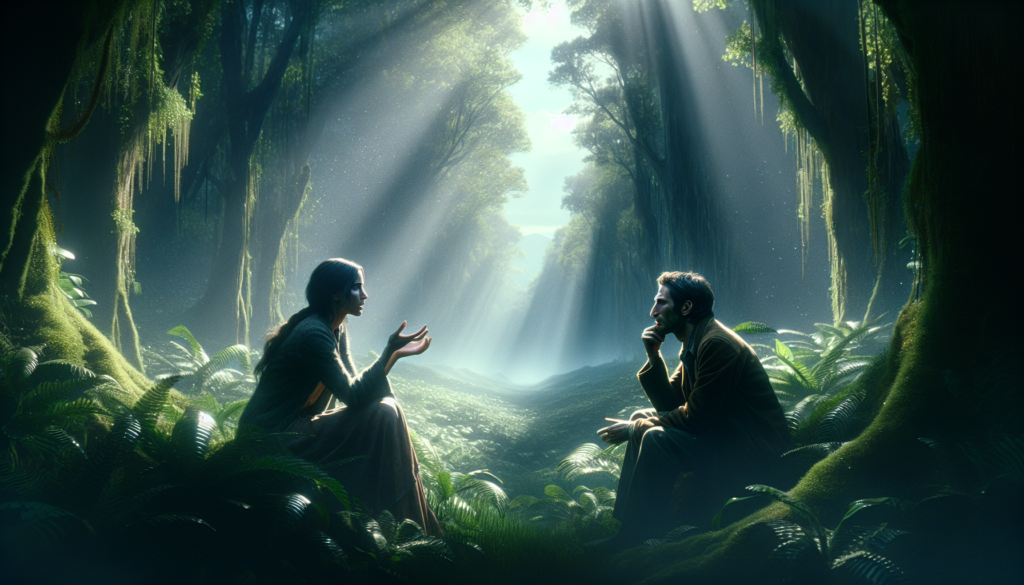
Their narratives testify to the strength of human bonds, even in situations of isolation. They highlight the need to create a space for exchange, where vulnerability is accepted. By exploring these themes, they remind us that conflicts can also be an opportunity to grow and evolve.
The interactions between characters, whether through phone calls or chance encounters, illustrate the complexities of human communication. They show that even in moments of tension, it is possible to find a form of mutual understanding. This message combines a sense of hope with the harsh reality of the issues surrounding us.
In this puddle of history and present, the works of Roucaut and Bretmel invite us to look within ourselves. They push us to embrace the richness of our emotions while learning to navigate through the trials that mark our existence.
|
IN BRIEF
|
Reflection on the nature of conflicts
The collaboration of Magali Roucaut and Eric-John Bretmel in the creation of their film reflects a desire to grasp and explore the nuances of conflicts, whether personal or societal. Through an intimate lens, they address this complex phenomenon by trying to understand how crises touch us at the deepest core of our humanity. By drawing on the struggles of the past, they manage to link the family histories of the protagonists and contemporary realities, thus highlighting that conflicts often emerge from buried memories, unresolved traumas, or irrational fears.
Their work shines a light on the emotional dynamics present in each conflict. Whether through Eric-John’s emotionally charged phone conversations with his father or the uncertainties felt in daily interactions during the lockdown, they manage to capture the very essence of these tensions. Each interaction, whether direct or through a screen, reveals the human fragility in the face of extreme and often incomprehensible situations.
By confronting episodes from the past with the reality of the present, Roucaut and Bretmel invite viewers to rethink the notion of conflict. They pose questions about the nature of our fears and anxieties, as well as our ability to react in the face of adversity. This introspection, far from simple, raises queries about resilience, empathy, and the way we interact with one another.
Ultimately, this film does not merely recount a societal conflict; it reminds us that each conflict is also an internal struggle, imbued with memory and emotions. The true strength of the work lies in its ability to touch us at our core, reminding us that even in the midst of turmoil, there are bridges to one another.