
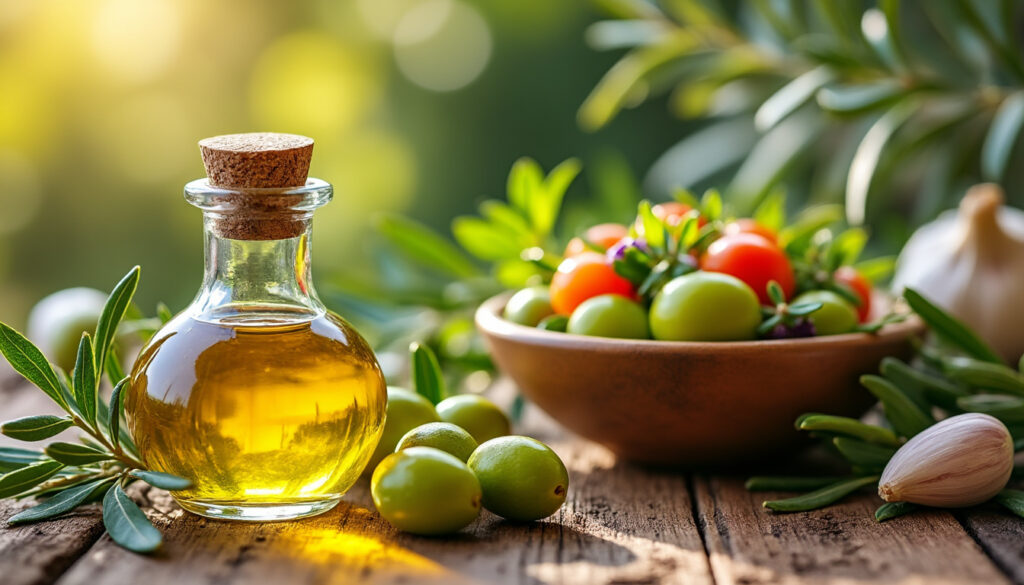
In a world where cardiovascular diseases, diabetes, and neurodegenerative disorders pose major public health challenges, an ancient treasure resurfaces: olive oil. Extracted from the fruits of the olive tree, this Mediterranean “liquid gold” proves, according to recent research, to be much more than just a kitchen ingredient. Its nutritional qualities, enriched with polyphenols and monounsaturated fatty acids, make it a valuable ally in preventing numerous modern ailments. A daily teaspoon of extra virgin olive oil is associated with a significant reduction in the risk of cardiovascular diseases and could even slow the progression of certain cognitive disorders. But its benefits do not stop there, as it also acts as a powerful anti-inflammatory and antioxidant agent, contributing to a global balance of metabolism. While integrating diverse culinary uses, from delicate seasoning to gentle cooking, this oil symbolizes a perfect alliance between pleasure and sustainable health. Highlighted in the Mediterranean diet, it invites us to rethink our way of eating, valuing a healthy and natural diet, a source of vitality and longevity.
The Proven Benefits of Olive Oil on Cardiovascular Health and Beyond
Extra virgin olive oil, due to its richness in monounsaturated fatty acids, primarily oleic acid, serves as a shield against bad cholesterol (LDL) while increasing the level of good cholesterol (HDL). This dual effect, complemented by an exceptional concentration of polyphenols, endows it with anti-inflammatory and antioxidant properties that protect vascular walls. Mediterranean populations, who consume it daily, benefit from a notable reduction in pathologies such as atherosclerosis, heart attacks, and strokes. This fact is confirmed by a large international cohort where a moderate intake, of a daily teaspoon, halves the mortality linked to cardiovascular diseases. Therefore, olive oil emerges as a key preventive element, contributing to improved blood pressure and blood sugar regulation, two crucial factors in limiting the development of type 2 diabetes. Thus, its effects transcend simple nutrition to fit into a comprehensive public health approach, where the quality of food plays a determining role.
A Precious Oil Against Cognitive Decline and Chronic Inflammations
Beyond cardiovascular benefits, extra virgin olive oil contains specific secoiridoids, such as oleocanthal, recognized for their powerful anti-inflammatory virtues. They help limit oxidative stress and chronic inflammation, factors involved in premature aging and certain neurodegenerative disorders such as Alzheimer’s disease. The protection of cognitive functions attests to its potential role in preserving memory and concentration, both essential for sustainable well-being. These active compounds also contribute to alleviating pain linked to inflammatory conditions such as rheumatoid arthritis, thus improving the quality of life for those affected. Olive oil, in synergy with a healthy diet, seems to display a range of therapeutic effects that far exceed its culinary reputation, revealing an ancestral secret to be rediscovered in our daily habits.
Incorporating Olive Oil into Your Diet for a Healthier Life
Adopting extra virgin olive oil into daily dietary routines requires only a minimal effort with major effects. Used raw, in dressings or marinades, it delivers all the richness of its fruity aromas to the palate while preserving its polyphenols and vitamins. For cooking, it is advisable to avoid excessive temperatures in order to maintain the integrity of its active compounds, although this oil can tolerate heat up to 210 °C. Its integration into a balanced diet not only promotes disease prevention but also aids in weight management. Contrary to some misconceptions, olive oil stimulates satiety without promoting weight gain, a true boon in the fight against obesity. Furthermore, its virtues for digestion and intestinal transit are widely recognized, particularly when consumed on an empty stomach, a traditional Mediterranean practice that is today gaining scientific acknowledgment.
Tips for Choosing and Storing the Best Olive Oil
The quality of olive oil is a key criterion for fully benefiting from its advantages. Extra virgin olive oil, obtained from the first cold pressing and preferably organic, remains the ideal choice. AOP labels guarantee controlled origin and optimal purity. In terms of storage, it is necessary to protect the oil from light, heat, and air, as these elements can accelerate oxidation and alter its properties. An opaque bottle stored at room temperature in a cool, dry place prolongs its freshness. Synchronizing consumption and quality ensures an enriching tasting experience and maximized nutritional effects. To refine one’s choice, it is interesting to refer to comparators and tests conducted by experts, particularly those highlighted on huile-olive.org, which offers relevant advice for navigating the diversity of brands and prices, while promoting accessible and quality products.


