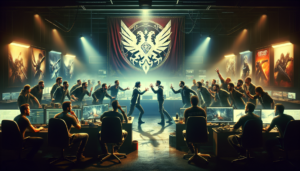
In a climate of intense competition and increased rivalry, video game giants Electronic Arts (EA) and 2K Games are engaged in a fierce battle for the rights to a NCAA college basketball game. While EA won the first round of this war by partnering with the Collegiate Licensing Company, 2K is not sitting idly by. By initiating discussions with institutions like UCLA, 2K aims to develop its own project. This conflict reflects not only the exclusivity sought by EA but also 2K’s quest to establish itself in the sports gaming market.
The world of college basketball is buzzing with a growing conflict between EA and 2K Games regarding the marketing rights related to the NCAA. While EA is trying to reclaim a leadership position with its college basketball game, 2K is not intimidated and is moving forward with its own projects. This article explores the recent developments in this intense rivalry within the video game industry.
The ambitions of the two video game giants
Firstly, EA has hinted that it wants to create a college basketball game that could rival that of the NFL. Over the year, it secured the first round of the battle for rights by partnering with the Collegiate Licensing Company, a crucial step for its project. Conversely, 2K has also entered the race, indicating it does not intend to fall behind. The company quickly sought to establish partnerships with universities, notably the renowned UCLA.
The partnership announced by UCLA could be a major asset for 2K, allowing it to firmly establish itself in the landscape of college basketball. This collaboration extends over several years and is expected to provide valuable support for its future work dedicated to the sport. These initiatives highlight the importance of certain exclusivity in the realm of video games.
The reaction of Electronic Arts
On its side, EA finds itself in a delicate position. The company’s executives seem unhappy with the turn of events. Indeed, their strategy relies on absolute control of the rights concerning NCAA basketball. They aspire to include all Division I universities in their project and to offer a totally immersive experience that reflects the excitement of March Madness. Such a project could create a atmosphere around the game that many are eagerly awaiting.
The stakes of a marketplace battle
The rivalry between these two companies goes far beyond simple games. EA, having recently experienced a surge with its college football franchise, hopes to replicate this success. To do so, it will need to capture fans’ attention through elements that truly resonate with them. Competition in the sports gaming market is fierce, and every penny counts to stand out.
However, EA faces a significant challenge. If 2K succeeds in establishing a strong partnership and gaining the support of college teams, it could neutralize the impact that EA expects from its own game. This raises the question of whether EA needs to adjust its development strategies. The coming years will be crucial in determining who will ultimately dominate this market segment.
Implications and ramifications for players
Beyond this conflict between developers, players are also questioning the consequences this could have. A quality game often depends on the richness of the partnerships in place. The more schools involved, the more enriching the experience becomes. College basketball fans could be excited about a varied offering that includes the teams they support. There is therefore a lot at stake, both literally and figuratively.
However, if EA decides to completely withdraw from the battle, it could lead to a loss of confidence in the brand. Similarly, there is some frustration among players who would not benefit from healthy competition between two big titles. In summary, the current situation can influence not only the strategies of the companies but also the expectations of consumers.
The world of sports gaming is undergoing a real revolution with the emergence of a major conflict between two giants, Electronic Arts and 2K Games. This battle seems centered on the realm of college basketball, particularly around the rights related to the NCAA. While EA tries to re-establish itself in this market, 2K is not falling behind, looking to create its own college basketball game. Developing such a franchise could redefine fans’ expectations.
The situation complicates as EA has managed to secure part of the rights by negotiating with the Collegiate Licensing Company, allowing it to claim the NCAA brand. On the other hand, 2K Games, despite its defeat in this bidding war, has chosen to take a proactive approach by establishing partnerships with universities, such as UCLA. This move could enable it to develop a game that appeals to supporters’ passion while integrating both men’s and women’s programs.
EA, for its part, does not hide its dissatisfaction with the situation. The company hoped to seize the opportunity to create a game that would encompass all schools in Division I, while also including compensation for athletes. It is therefore in their best interest to find a quick solution to prevent 2K from establishing itself in this expanding market.
In summary, this conflict highlights the economic and creative stakes surrounding the development of sports games. While the two publishers fight for dominance in the market, college basketball fans are at the heart of this struggle, eagerly awaiting the outcome of this battle that promises to redefine the gaming experience in the sports sector.