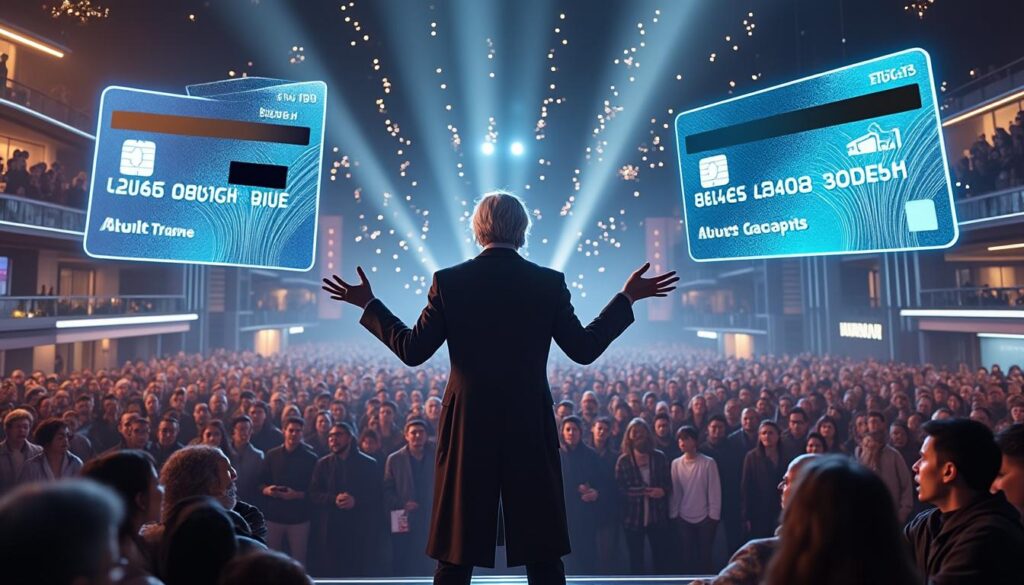
In a context where the censorship of adult content on platforms like Steam and itch.io raises serious concerns, Yoko Taro, the director of Nier: Automata, issues an alarming warning. He describes the pressure exerted by certain credit card companies like Visa and Mastercard as a potential danger to democracy, emphasizing that controlling payment processes could lead to a violation of freedom of expression. The shutdown of the digital library Manga Library Z perfectly illustrates this troubling phenomenon, where art and storytelling are subjected to standards that go beyond the law.
The world of video games is increasingly confronted with the issue of censorship, particularly regarding content intended for an adult audience. Yoko Taro, the director of the famous game Nier: Automata, recently expressed his concerns regarding the practices of credit card companies wanting to censor certain works. This situation not only limits freedom of expression but also raises fundamental questions about our own democracy. Through this analysis, we will examine the implications of this censorship, the reactions of creators, and the role of payment companies in this dynamic.
Warnings about Censorship
Last November, Yoko Taro sounded the alarm in an online discussion thread. He mentioned the closure of the Manga Library Z site, a digital directory that offered out-of-print mangas. Behind this situation are censorship requests from credit card companies like Visa and Mastercard. These companies demanded that words deemed inappropriate be removed from the works offered. Taro emphasized that this represented an unprecedented exercise of power, threatening freedom of expression.
He stated that the control of payment companies over the content being distributed could potentially create ” security holes ” in our democratic system. This awareness of a real risk to freedom of expression is particularly relevant as more and more creators find themselves in similar situations.
The Reaction of the Public and Creators
In response to this censorship, artists and fans have mobilized. Support campaigns, including petitions, have emerged. For example, some have called for a reverse boycott against payment companies. They demand that Visa, Mastercard, and others cease their moral panic. This mobilization has gained significant momentum, with a petition reaching nearly 100,000 signatures.
- Video game creators denounce the consequences of such control.
- Affected works tackle personal and social themes.
- A strong solidarity is emerging among artistic communities.
Naomi Clark, head of the NYU Game Center, reminded that some creations address sensitive subjects, such as abusive relationships or LGBTQ+ identity. These realities, highlighted through authentic narratives, risk being stifled by these censorship reactions.
Implications for Democracy
The link between censorship and democracy is more crucial than ever. By controlling the content accessible to the public, these companies play a key role in defining cultural norms. Yoko Taro warned that this dynamic, beyond merely restricting content, could have repercussions on our civic values. If we begin to censor narratives that disturb, it can easily lead to a culture where the fear of free expression prevails. In other words, it is not just about video games or mangas, but about how society defines the collective memory.
In summary, the issues raised by this phenomenon are vast. The boundary between freedom of expression and censorship is becoming increasingly blurred as payment processing companies intervene in content distribution. It is essential that consumers, creators, and society as a whole take a stand to defend the right to free expression.
The Actors of Resistance
Various organizations are rising against this growing censorship. Independent initiatives are emerging, aiming to create platforms that respect freedom of expression. Meanwhile, cultural events, such as manga conventions and video game festivals, are transforming into spaces for discussions on censorship and its consequences.
A strong example is the commitment of various artists who choose to fund their projects through crowdfunding. In doing so, they free themselves from the constraints imposed by traditional companies. This demonstrates that new models can exist outside the censoring system.
It is also crucial to involve the general public in this dialogue. Raising awareness within the community about these issues can generate real change. As writer Yannick Kergoat points out, remaining ignorant in the face of such challenges can only harm our collective understanding of freedom. Every voice matters in this struggle for a free and authentic creative space.
The Censorship of Credit Cards: A Danger to Democracy
The world of gaming and publishing faces a new challenge: the censorship imposed by certain payment processing companies. Yoko Taro, the director of Nier: Automata, recently expressed his concerns regarding this reality that could have profound implications for our freedom of expression. Indeed, this censorship is not limited merely to certain contents; it extends to a broader control of what can be disseminated, prompting serious reflection on how payment processing can influence the creative world.
The case of the Manga Library Z, which had to cease its activities under pressure from major credit companies, illustrates this phenomenon. Censorship requests for content, under the guise of moral concerns, suggest a growing worry regarding the control that certain companies have over the types of works that can exist. This situation raises fundamental questions about the power these companies hold: can they really decide, merely by limiting payments, what can or cannot be said in a democracy? This dynamic creates a vicious cycle, where creativity can be stifled by the fear of economic repercussions.
It is essential that creators, artists, and consumers are aware of the consequences of these actions. The reaction of communities, with boycott campaigns against certain companies, shows that this issue goes far beyond the mere entertainment framework. Every action against censorship can be seen as a defense of fundamental democratic values. By protecting our right to a free and diverse expression, we are also taking a step towards a future where creativity can flourish unencumbered.