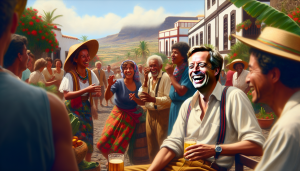
As winter sets in and the first snowflakes appear, Spain must face a growing disenchantment towards its tourism sector. The streets once bustling with the excitement of visitors now resonate with deep discontent. The inhabitants, tired of the pressure from mass tourism, seek to express their anger faced with a situation where the charm of yesteryear seems to be fading, replaced by a struggle for quality of life.
As winter slowly sets in on the Iberian Peninsula, tourism, once seen as a major asset, is causing more and more discontent among residents. This general feeling of disillusionment with the sector’s impact on daily life is growing, noting that the exciting influx of visitors is now seen as a threat rather than a benefit. Demonstrations and strikes are increasing, signaling a collective awareness of the abuses of mass tourism.
Growing discontent with tourism
For several months, voices of protest have been heard in different regions of Spain. In Barcelona, Seville and San Sebastian, anger intensified. Residents, faced with soaring rents and the transformation of their neighborhoods into theme parks, forcefully declare: “We are in danger, we must review our relationship with tourism! »
Demonstrations organized as winter approaches, whether peaceful or more radical, have become frequent. In Las Palmas, financial spending on tourism is being questioned. Direct actions, such as the occupation of beaches or noisy demonstrations, reflect a collective fed up with what they perceive as an invasion.
Places stormed, lives disrupted
Many emblematic cities see their streets invaded by tourists, especially during the summer period, but the situation is hardly different this winter. The cold season also attracts a certain clientele, keen to escape the cold of the north. However, for residents, congestion and nuisance are increasingly burdensome.
Hotels, apartments and other establishments linked to the sector welcome vacationers, but at what cost to locals? Rents are rising, and the daily life of the inhabitants is disrupted by a constant flow of foreigners. Leisure activities are under attack, forcing residents to review their habits.
The economic consequences of this dependence on tourism
Although tourism represents a significant part of the Spanish economy, representing approximately 13% of GDP, this situation caused by a massive influx becomes paradoxical. Precarious jobs dominate the sector, and residents fear for their economic future. This dependence on mass tourism can backfire on the local economy.
The disparities are glaring. The rich exploit tourism goods and services, while locals struggle to find affordable housing. In San Sebastián, voices are being raised to say that municipalities are neglecting residents’ concerns. A member of the local collective evokes this shared feeling: “Our city has become a soulless theme park”.
A rise in violence and tensions
Tensions between tourists and residents are increasing. Acts of protest have taken a worrying turn when demonstrators occupy symbolic places. Last October, people disrupted a popular holiday. Scenes of agitation, like <tourists spraying water>, say a lot about the current climate. The ambient climate is polluted by this resentment, while provoking a national debate around the future of tourism.
Local authorities are trying to defuse this crisis, but the attempts remain symbolic. The controversy surrounding the damage to tourist apartments has caused certain politicians to react, citing a risk of “touristophobia”. This problem follows a worrying pattern, where differences over policy choices are intensifying.
Towards sustainable solutions
Faced with this persistent discontent, different cities are trying to put in place regulations. In Barcelona, limitations on short-term tourist rentals are planned. Other regions are considering quotas and access taxes to better control the situation. However, protesters believe these measures are hardly sufficient, but simply a temporary response to structural problems.
Skepticism persists, particularly regarding the commitment of elected officials to maintaining a balance between the needs of residents and economic issues. Critics say profound changes are needed. The quest for a new model of sustainable tourism becomes essential, because in summer and winter, this reality is reminded on every street corner.
An uncertain future for the tourism sector
With forecasts announcing 90 million tourists between now and the end of the year, the challenge is immense. At the same time, the question arises: how to reconcile economic development and quality of life for locals? The issue is becoming crucial for Spain, which aspires to maintain its status as a popular destination, but which faces a worrying paradox.
The changing climate introduces additional difficulties. The repercussions of climate change weaken traditionally tourist destinations. Soon, a reflection will have to be carried out to envisage a harmonious future, where local well-being and tourist attraction coexist.
|
IN BRIEF
|
Disenchantment with tourism in Spain: a persistent winter reality
As winter sets in, Spain is not escaping a growing phenomenon: disenchantment with tourism. If traditionally, the cold season brought respite to residents, this year, tensions remain palpable. Municipalities, once delighted to see the influx of tourists, now have to deal with growing discontent among their fellow citizens.
The demands are intensifying, so much so that the idea of tourism, once synonymous with wealth and opportunities, is now seen as a burden. The inhabitants, worn out by soaring rents and one transformation of city centers into amusement parks, are increasingly strongly mobilized. This observation led to awareness, leading to social movements that will punctuate the Spanish winter. Slogans such as “ Tourists, go home! » echo through the streets, provoking an echo of sentiments shared by many citizens.
To top it all off, climate change complicates this picture even further. The consequences of the ecological crisis are not only felt in the landscapes, but also affect the tourist experience and quality of life. The extreme heat of the summer, despite an increase in visitors in some areas, raises questions about the future of the traditional tourist attraction ofthe “sol y playa”
. In short, the winter of 2024 could be a turning point for Spain. If tensions persist and the urgency to find a balance between tourism development and local well-being