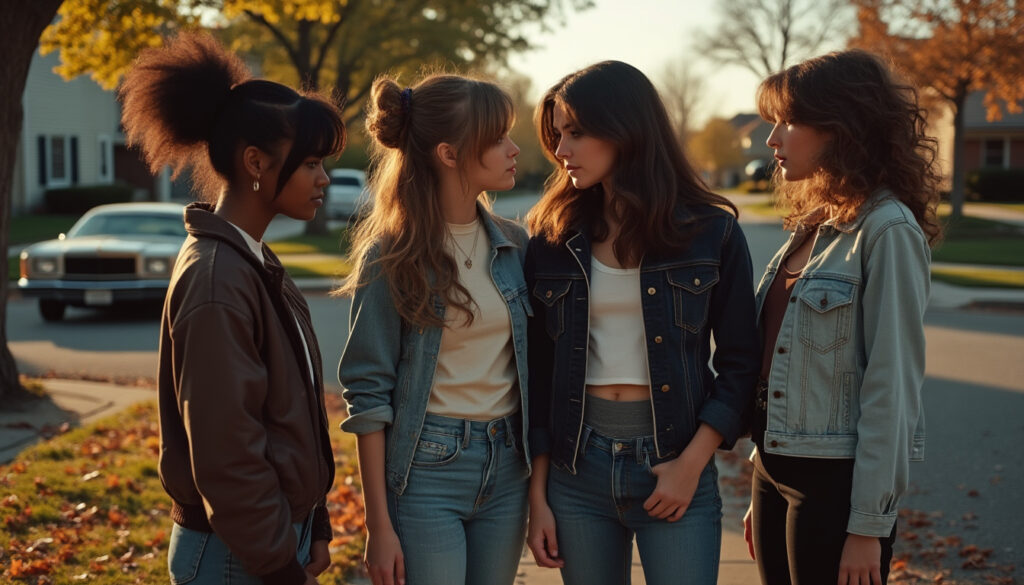
Adrian Lyne, an auteur recognized for his ability to distill sensuality and visual performance in his films, makes a memorable foray into the adolescent world with his film Foxes (1980). This feature film, which marks his directorial debut, immerses us in the challenges and turmoil of youth, following the journey of four girls in search of freedom, rebellion, and identity. With a subtly constructed narrative, Foxes stands as an emblematic work, capturing the essence of an era while exploring universal themes related to adolescence.
The British director Adrian Lyne has made his mark in cinema with his work ” Foxes,” distinguished by its deep study of adolescence. Released in 1980, this film highlights the challenges and aspirations of four teenage girls living in California. Through nuanced portraits, it captures the tensions between dreams and reality while maintaining a rich visual aesthetic. Thus, this work, often overshadowed by other successes of Lyne, deserves careful exploration and reveals the complex universe of youth. “Foxes” represents a crucial point in Adrian Lyne’s career. Before skyrocketing to commercial success, the filmmaker was primarily known for his iconic advertisements. These short films helped develop a particular aesthetic, catching the attention of producers and paving the way for his first feature film. The film, initially titled “Twentieth Century Foxes,” is inspired by personal experiences and interviews conducted with young women. This research allowed for the inclusion of realistic elements in the fictional narrative, adding unprecedented depth to the project. Lyne, while navigating an advertising milieu, began to take an interest in visual storytelling. His approach and talents enabled him to create a work at a crossroads. “Foxes” does not simply tell a story; it explores the complex emotions of teenage girls on the brink of adulthood. The film’s plot follows four friends, each with her own internal struggles: the search for identity, escaping their family realities, and the quest for their dreams. At the heart of “Foxes,” four parts intertwine to paint a portrait of adolescence: Madge, Annie, Deirdre, and Jeanie. Jodie Foster plays Jeanie, the soul of the group, while the cast, also composed of Cherie Currie, Marilyn Kagan, and Kandice Stroh, enriches the story with nuanced performances. Foster embodies fragility, bearing the weight of expectations and broken dreams of young adults. Each actress brings a unique dimension to the narrative, illustrating the struggles and joys of this pivotal period. The dynamic that bonds these characters evokes not only a friendship but also the discovery of freedom and critical choices that guide them. The adventures of each heroine are not presented as obstacles, but rather as essential steps towards their maturity. This also demonstrates how each character, in her own way, learns to navigate a often hostile world. The girls face situations such as drug use, domestic violence, and the exploration of their sexuality. Foxes powerfully illustrates how adolescents navigate between carefree living and the necessity of confronting reality. The characters support each other, even when they stray in their choices. It’s a beautiful representation of sisterly love and the challenges of transitioning to adulthood. Adrian Lyne’s direction in “Foxes” blends realism with the rough edges of daily life. The camera closely follows the protagonists, capturing the raw emotions of youth with visual freedom. His use of light and color transcends the limits of simple storytelling. The music, equally significant, amplifies emotions, creating an immersive experience that resonates with the audience. The musical choices of the artists of the time contribute to a vibrant atmosphere, where each song accompanies a key scene, reinforcing the identity of the characters. Through bold staging, Adrian Lyne unfolds a unique aesthetic that paves the way for his future projects. He thus creates a visual universe capable of evoking a wide range of emotions — happiness, melancholy, hope, and disillusionment. This film marks a transition for the director who still oscillates between the world of advertising and that of feature films. Despite its initially limited success, Foxes deserves to be rediscovered, as it addresses universal themes. Adolescents of yesterday and today can identify with it, finding a form of resonance in this quest for identity. The recent high-definition edition presents the film with particular care, offering an opportunity for rediscovery to new generations. Furthermore, the bonuses, such as interviews with Adrian Lyne, enrich this experience, offering insights into the creative process behind the film. Every element present in Foxes, from the lighting to the dialogues, reminds us of the beauty and complexity of adolescence, making this work unique and timeless. Through the trials of these young girls, the viewer is invited to reflect on their own youth, choices, and the friendships that shape a life. A cinematic exploration that, even today, echoes in the journey of many young adults.Birth and Context of Foxes
The Characters and the Casting
A Captivating Dynamic
A Unique Cinematic Aesthetic
An Heritage to Rediscover
Adrian Lyne, a British director known for his distinctive visual style and narratives often laden with emotional tensions, particularly stands out with his film Foxes released in 1980. This feature film is not only a cinematic work but also a true exploration of adolescence, marked by the delicate transition to adulthood. Through the portrait of four young girls, Lyne captures the complexity and fragility of this pivotal period while weaving a poignant and realistic narrative.
In Foxes, the characters, portrayed by a remarkable cast including Jodie Foster, illuminate the internal struggles and aspirations of adolescence. Lyne manages to blend realism and stylization, offering a sincere and emotive vision of youth. Themes of friendship, the search for identity, and the pursuit of freedom resonate throughout the film, connecting with many viewers. The heroines, defying social norms and navigating personal challenges, represent powerful female voices at a time when cinema struggled to highlight them.
Adrian Lyne, through his narrative treatment and artistic direction, portrays a lyrical and deeply sincere picture of adolescent life in the 80s. Foxes remains a pivotal work in his career, foreshadowing his penchant for psychological dramas and explorations of human nature. By revisiting this film, one not only rediscovers a reflection on adolescence but also a significant transitional period in cinematic history, questioning the boundaries between innocence and the brutal reality of the adult world.