In a society where plastic toys are omnipresent, their impact on children’s behavior raises many questions. Jean-Christophe Meurisse, through an in-depth study, reveals the effects of these toys on the development and attitudes of young people. Let’s dive into the results of this exciting research together.
Through his latest film Plastic guns, Jean-Christophe Meurisse takes us into a scathing and satirical reflection on the influence of plastic toys on children’s behavior. The film exposes in a crude and grotesque manner often hidden realities of our society, raising profound questions about the toys that shape our youth.
A plastic company
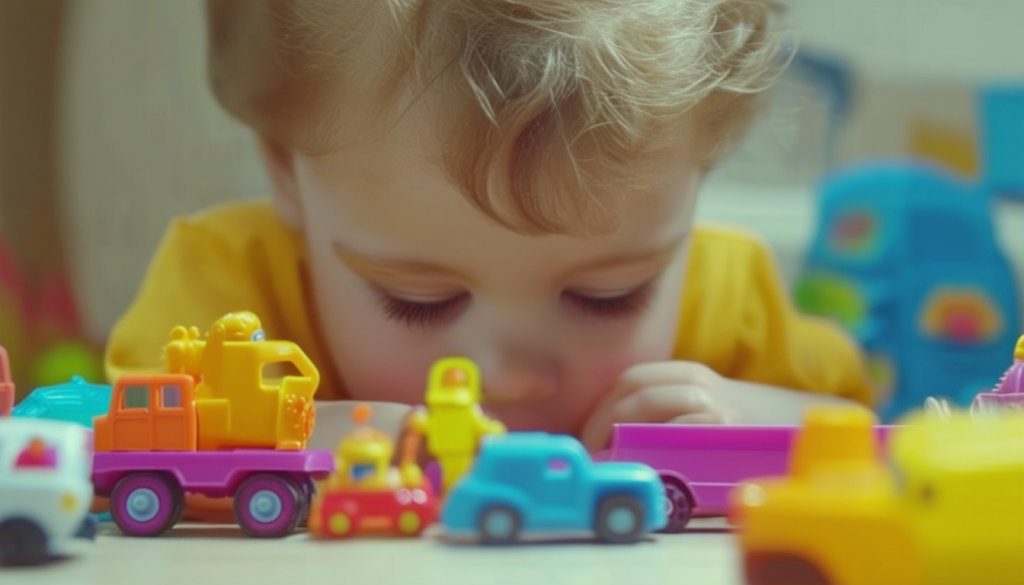
Meurisse begins by painting a surrealist picture of society, where toys in plastic play a central role in the lives of children. These objects, seemingly harmless, are often at the heart of how young people perceive the world around them. Intriguing scenes show how the ubiquity of plastic toys can lead to alienation and a distorted perception of reality.
Toys and morality
Through a series of wacky twists and turns, the film explores how plastic toys influence children’s values and morality. The characters, burlesque and grotesque, symbolize the consequences of overconsumption of standardized and soulless toys. Meurisse offers a biting critique: are our younger generations being manipulated by objects that favor instant entertainment to the detriment of reflection and creativity?
Iconic characters
- Zavatta, the incompetent journalist, embodies the dissemination of false clichés amplified by the media.
- Paul Bernardin, the smooth-faced “bad guy”, represents the impunity and deceptive appearance of adults in a society where hypocrisy reigns.
- Léa and Christine, the pathetic investigators, symbolize a desperate attempt to understand and curb the harmful effects of these toys.
A baroque and reflective satire
With a baroque staging and capricious writing, Plastic guns connects intrigues and moments of deep reflection. Each painting, whether realistic or symbolic, dissects public opinion and power structures, highlighting the absurdity and decadence of our times.
The double side of toys
The duality of plastic toys is highlighted: on the one hand, they are sources of joy and imagination for children, on the other hand, they can symbolize superficiality and the ephemeral. Meurisse does not hesitate to raise the question of the ethics of the production and massive consumption of these objects, often to the detriment of the environment and the mental health of young people.
Spectacular and unexpected reactions
The film is not only a review, but also an invitation to observe the sometimes unexpected reactions of children to these toys. Their way of transforming these objects into something personal and unique can also be a form of resistance to mass culture. So, Plastic guns pushes us to reconsider our view of these familiar objects and to rediscover their hidden potential.
Through his baroque elements and his grating comedy, Jean-Christophe Meurisse offers a distorting mirror of our society and questions the place of plastic toys in the world of children. His film, as satirical as it is instructive, deserves to be seen and pondered.