
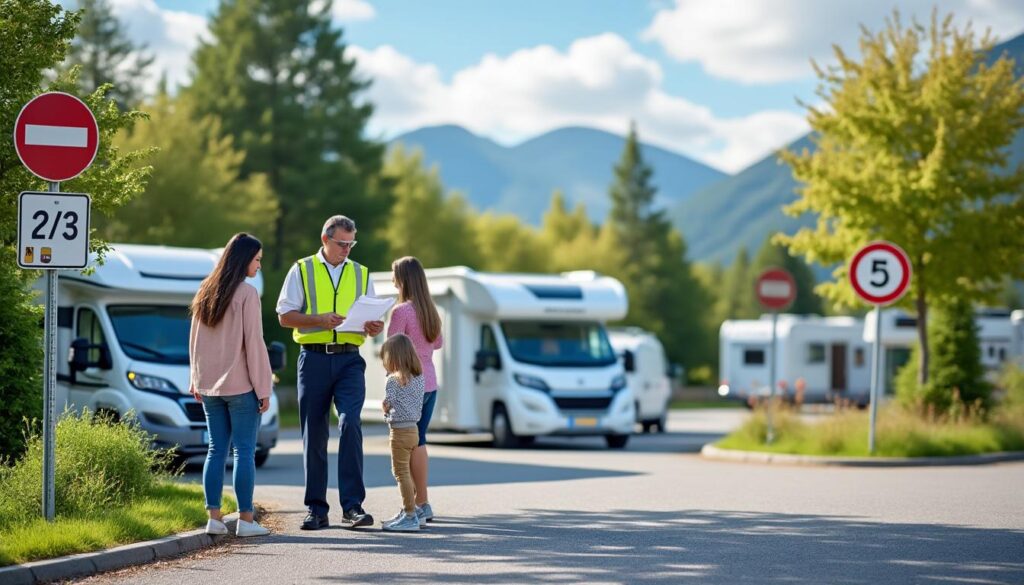
The motorhome represents a popular travel solution for those seeking freedom and flexibility. However, it is crucial to familiarize yourself with the regulations regarding the circulation and parking of these vehicles. Whether in the city, on country roads, or in dedicated areas, understanding the applicable rules allows you to fully enjoy your adventures while respecting local laws. In this article, we will explore the various aspects of the regulations, ranging from traffic rules to parking specifics.
Motorhomes have become a popular means of exploring the world with more freedom. However, each country has its own regulations regarding their use, both in terms of traffic and parking. This article aims to enlighten you on the legislation surrounding motorhomes, from their registration to their use, including parking rules. By following these practical tips, you will avoid unpleasant issues during your travels.
Registration of Motorhomes
The first important step when purchasing a motorhome is its registration. Like any vehicle, it must be registered with the relevant authorities. In France, for example, a motorhome must have a registration certificate indicating its category and capacity. It is essential to specify during the application whether the vehicle is intended for a specific use.
Furthermore, the classification of the vehicle can vary from used to category 2 years. There are integrated models and basic models that are treated differently by road services. A good choice of model can prevent registration issues.
Finally, the technical specifications of your motorhome can impact its registration. Make sure the vehicle meets current environmental standards to avoid future complications.
Traffic Rules
Traffic rules are also crucial. Motorhomes, being longer and wider than standard cars, must adhere to certain speed limits. Sometimes, the speed allowed is reduced on national roads and highways. This contributes to the safety of everyone on the road.
An essential element to consider is the weight of the vehicle. Beyond a certain weight, restrictions may apply. Motorhomes often need to be equipped with an appropriate driving license, such as the C1 license for heavier ones. This point is crucial to avoid potential fines.
In foreign countries, it is imperative to check localized traffic rules. Some states may impose specific stickers on the windshield or even additional safety equipment. It is worth inquiring beforehand before hitting the road.
Parking of Motorhomes
Where to Park?
Parking motorhomes is often a delicate subject. Each municipality has its own rules. In some cities, parking is strictly prohibited in urban areas. Camping areas are often the best choices, as they are specifically designed for this type of vehicle. These areas offer additional services such as waste disposal and water supply points.
It is important to remember that location is also a crucial factor. In some regions, wild camping is strictly prohibited, which can lead to fines. Stay alert to signage and do not hesitate to ask locals to avoid any infractions.
Parking Rules
In addition to choosing the right spot, parking rules must be respected. A motorhome should not occupy more than one standard parking space. Furthermore, it is recommended not to park too close to intersections or pedestrian crossings.
Fines for improper parking can be hefty, especially in heavily trafficked tourist areas. A good tip is to use mobile apps that inform you about authorized places to park your vehicle. This can greatly facilitate your trip.
Mandatory Equipment and Safety
Having the mandatory equipment on board your motorhome is essential. Some equipment is non-negotiable. For example, a warning triangle, a safety vest, and a first aid kit are necessities to drive legally on the roads.
During inspections, it is often asked to prove that the vehicle is in good working order. Check that all safety features, including headlights and turn signals, are functioning correctly. This will avoid unpleasant surprises during inspections.
Insurance and Responsibilities
Finally, insurance is a key point not to be neglected. Before setting off, make sure your motorhome is covered by appropriate insurance. There are different packages, and sometimes specific insurances for motorhomes. This can reduce your liability in case of an accident or theft. Be sure to understand the terms of your contract.
In conclusion, the regulations surrounding motorhomes are vast. The key to a smooth experience lies in good preparation. Before leaving, take the time to properly inform yourself about the laws and regulations to fully enjoy your trip. This way, you will avoid complications and be able to appreciate all the wonders that await you on the road.
The regulation of motorhomes is essential to ensure safety and compliance for users on the road. First, it is crucial to know the classification of your vehicle. Motorhomes are often classified into two categories: recreational vehicles and converted vans. Each type has specific rules regarding registration, weight, and mandatory equipment. For example, a motorhome must have a registration certificate suited to its weight and category to drive legally.
Next, drivability is a factor to consider. Motorhomes must comply with the weight and dimension limits set by traffic legislation. This includes the obligation to be equipped with certain safety elements such as fog lights or fire extinguishers. On the other hand, it is important to inquire about authorized stops. Some municipalities prohibit the parking of motorhomes in specific zones, which requires special attention during your travels.
Insurance and registration issues should not be overlooked. To use a motorhome, it is mandatory to have appropriate insurance that covers property and bodily damage. The vehicle’s registration must also be done within the required time limits, or penalties may apply. Some motorhome users choose to take out specific insurance for recreational vehicles, which offers additional guarantees.
Finally, it is advisable to be aware of the traffic and parking rules in the countries you visit. Each state may have different legislations regarding motorhomes, which encourages thorough research before departure. This will allow you to enjoy your journey peacefully, avoiding potential issues related to regulations.


