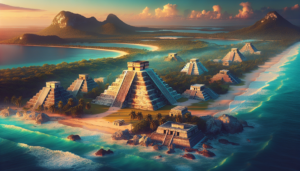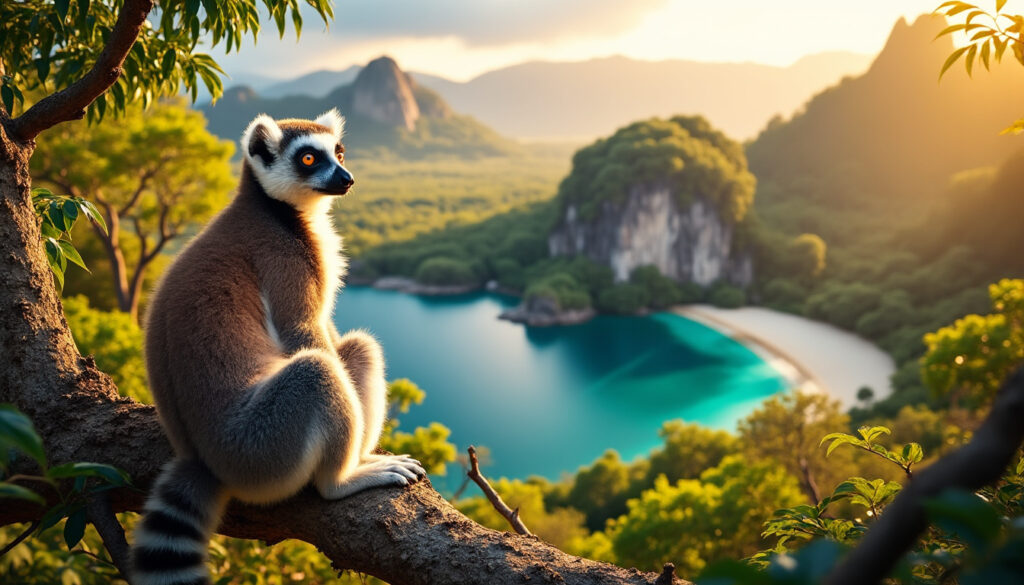
Between stone forests, avenues of baobabs, tropical beaches, and grand landscapes, Madagascar offers a rare diversity. From the Tsingy to Nosy Be, through Isalo and Sainte-Marie, the Red Island is full of destinations to discover at the pace of mora mora.
Madagascar features landscapes that are rarely found together in one place: tropical forests, high plateaus, light sandy beaches, canyons, and spectacular rock formations. This large island in the Indian Ocean also hosts remarkable fauna and flora, including many endemic species like lemurs. Here are the steps to consider in order to compose a trip at your own pace, between exploration, encounters, and moments of relaxation.
Preparing your itinerary on the Great Island
Madagascar is vast and travel can take time, especially when using inland roads. It’s better to choose a few regions rather than trying to cross the entire island in one trip. To start organizing your route, you can consult this practical guide for finding your way and choosing a suitable destination for your trip.
The climate, the condition of the roads, and the available means of transport also influence possible stops. Bush taxis provide a lively glimpse of local journeys, while renting a vehicle with a driver can offer more flexibility. For long distances, some air links help save time, but it remains useful to allow for margins in the schedule.
Exploring the stunning landscapes of the west
The Tsingy of Bemaraha, a maze of stone
In western Madagascar, the Tsingy de Bemaraha National Park reveals a karst relief bristling with rocky spikes. These formations, sculpted by erosion, compose an impressive mineral landscape where the paths sometimes lead above the void. Constructed passages, ladders, and suspended bridges allow exploration of certain areas, usually with the accompaniment of a guide.
The visit requires time and good physical condition, as the terrain is uneven and circuits can be demanding. In wooded areas, lemurs and other animals may sometimes be observed, while caves house discreet life. To the north, the Tsingy of Ankarana offers another opportunity to discover these unique reliefs, near the region of Nosy Be.
The Avenue of Baobabs and the surroundings of Morondava
Near Morondava, a track lined with large baobabs forms one of the most famous panoramas in the country. The silhouette of these majestic trees stands out particularly well as the sun sets, attracting many visitors at this hour. The spectacle remains striking, even when several travelers gather at the same spot.
The region offers much more than just this single avenue of trees. By moving away from the road, one discovers baobabs scattered across the landscape and villages where daily life follows a different rhythm from that of the big cities. This stop often combines with a visit to the Tsingy de Bemaraha, but distances and traffic conditions require good planning for transfers.
Descending the Tsiribihina River
A descent of the Tsiribihina by canoe offers a peaceful way to traverse the lands of the west. For several days, the river unfolds its ochre-tinted waters between banks lined with vegetation. The journey alternates between navigation, stops in small villages, and nights camping, often by the water.
The route reveals rural life far from the main roads and landscapes that change with the current. Depending on the places, one can spot birds, chameleons, or lemurs, while waterfalls invite breaks. This adventure is prepared with a local team that organizes the boat, meals, and nights in the open air.
To reach the boarding point in Miandrivazo from the high plateaus, one generally needs to plan for a long day on the road. The navigation can then serve as a transition to Morondava and the iconic sites of the west coast. It is an experience to be favored for travelers who enjoy slow-paced itineraries and moments in contact with locals.
Discover the high plateaus and southern Madagascar
Antsirabe, a stop in the heart of the high plateaus
Antsirabe, located south of the capital, is a popular stop on National Road 7. The city is known for its cooler climate, high plateau landscapes, and pousse-pousse that circulate in the streets. It also allows one to discover another face of the country, far from the beaches and coastal forests.
Taking the time to stay here helps better understand the distances between the different Malagasy regions. Markets, workshops, and residential neighborhoods give a glimpse of local daily life, without replacing an organized meeting that respects the inhabitants. Antsirabe is also a convenient stopover for continuing the journey south or reaching the departure points of certain river excursions.
Isalo National Park, between canyons and oases
In the south, Isalo National Park impresses with its sandstone reliefs, canyons, and open valleys. The ancient rocks draw sometimes steep shapes, bathed in light and contrasting with greener areas. Hiking trails lead to waterfalls and natural pools, particularly pleasant after several hours of walking.
Ranohira serves as the gateway to the park and is accessed via the RN7. The circuits vary according to their duration and difficulty; the accompaniment of a guide allows choosing a suitable route and learning more about the landscapes traversed. Remember to bring water, sun protection, and shoes suitable for rocky trails.
Tôlanaro, or Fort-Dauphin, at the extreme south
Further south, Tôlanaro, also known as Fort-Dauphin, combines coastline, hills, and dense vegetation. The region, wetter than several other areas of the island, offers a green landscape and beaches sometimes bordered by mountains. It constitutes a refreshing stop for those wanting to extend their discovery beyond the most frequented circuits.
Land journeys to this part of Madagascar can be long and require preparation. Some travelers choose to fly, while others prefer the road to gradually observe the changing landscapes. Before leaving, check travel conditions and allow for a few days to enjoy the region without haste.
Enjoying the islands and beaches of the Indian Ocean
Nosy Be, between beaches and tropical forest
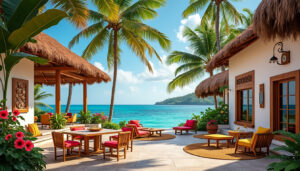
In the northwest, Nosy Be attracts travelers with its beaches, turquoise waters, and opportunities for marine excursions. The island also has forested areas, diverse fauna, and traces of its history, which one discovers by moving away from resort areas. Days may thus alternate between swimming, hiking, and exploring the surroundings.
Nosy Be can be reached by plane or by road until the port of Ankify, before taking the boat. Conditions and schedules for crossings can vary: it is therefore advisable to check them before departure. Once there, excursions to nearby islets allow for discovering less frequented beaches and rich marine life.
If you plan to travel with an animal, be sure to research well before booking: journeys, accommodations, and access to protected areas may be subject to specific rules. This file dedicated to destinations suitable for four-legged companions can help you prepare this type of stay. For Madagascar, it remains essential to check directly with the requirements of airlines and local providers.
Sainte-Marie and Île aux Nattes
On the northeast coast, Sainte-Marie offers a more tranquil atmosphere and landscapes of beaches, creeks, and tropical vegetation. Between August and November, humpback whales frequent the waters of the region, leading to organized observation outings. It is important to choose operators who respect animals and maintain an appropriate distance.
Île aux Nattes, south of Sainte-Marie, lends itself to days of swimming and walks along paths lined with vegetation. The pace here is particularly calm, making it a suitable stop for rest after several days of travel or hiking. Sainte-Marie is accessible by plane or by boat from Soanierana Ivongo, depending on the connections available at the time of travel.
Traveling at your own pace and prioritizing encounters
Beyond the famous sites, Madagascar is also discovered through its villages, markets, and interactions with its inhabitants. The Malagasy term “mora mora” evokes a peaceful rhythm, a way to take time rather than rushing through stages. Keeping free days in your itinerary leaves more room for the unexpected and encounters.
A stay can also include a solidarity approach, provided it is built with a local organization and meets a real need. Certain initiatives support access to education or the preservation of natural resources and biodiversity. Before participating, inquire about the project’s goals, its duration, and the concrete benefits for the concerned community.
Malagasy cuisine also deserves a place in the journey. Dishes often combine rice with vegetables, meats, or fish, with sauces and spices whose flavors change from one region to another. Tasting specialties in different locations allows for broadening one’s discovery far beyond the landscapes.
Choosing the best time and organizing your stay
The ideal period depends on the regions visited and the planned activities. Weather conditions, access to sites, and opportunities for wildlife observation vary throughout the year. To think about a departure in the summer season, you can browse these ideas for vacations to organize during the summer, and then compare with the climatic realities of Madagascar.
A trip in February may seem interesting to enjoy sunny destinations at a lower cost, but the cyclone season can also affect certain regions of Madagascar. It is wise to consult forecasts, check cancellation conditions, and maintain a flexible program. These selections of sunny trips accessible in February and affordable destinations to discover at this time provide comparison leads for planning a getaway.
For a comfortable circuit, it is better to select a main region and dedicate sufficient time to it. An itinerary focused on the west can combine Morondava, the baobabs, and the Tsingy, while the RN7 facilitates the discovery of the high plateaus and Isalo Park. The islands in the north and east are more suited to a beach stay punctuated by excursions.
Before departure, check entry requirements, health conditions, and available means of communication in isolated areas. Insurance covering medical care and unforeseen events can be useful, as can a time buffer to manage transport delays. On-site, respecting the guides’ instructions, sacred places, and park rules helps preserve natural spaces and travel in harmony with communities.
In Madagascar, each region reveals a different face of the island. On the west coast, the Tsingy de Bemaraha impresses with its limestone needles, caves, and suspended walkways. The paths cross a spectacular relief where the rock seems to form a true mineral forest. Not far away, the Avenue of Baobabs offers another iconic setting: large trees flank a dirt path and stand out against the changing colors of the sky, particularly at dusk.
To get closer to the daily life of the villages and discover the landscapes from the river, a descent of the Tsiribihina by canoe constitutes a memorable stop. The route alternates between camping beaches, waterfalls, and stops in isolated communities. This experience can be part of a trip attentive to local realities, prioritizing solidarity initiatives and environmentally respectful activities.
Further north, Nosy Be attracts with its beaches, turquoise waters, and tropical vegetation. The island also allows for exploring the surroundings and observing diverse fauna and flora. On the northeast coast, Sainte-Marie is appreciated for its peaceful atmosphere and beaches lined with coconut trees. Between August and November, humpback whales frequent its waters. Nearby, Île aux Nattes lends itself to swimming and walks on shaded paths.
In the south, the Isalo National Park features canyons, rocky plateaus, and natural pools accessible via hiking trails. The road may then lead to Tôlanaro, also known as Fort-Dauphin, where beaches, green reliefs, and red earth coexist. These stages, distant from one another, invite planning substantial journeys and choosing an itinerary suited to the duration of the stay.